Introduction
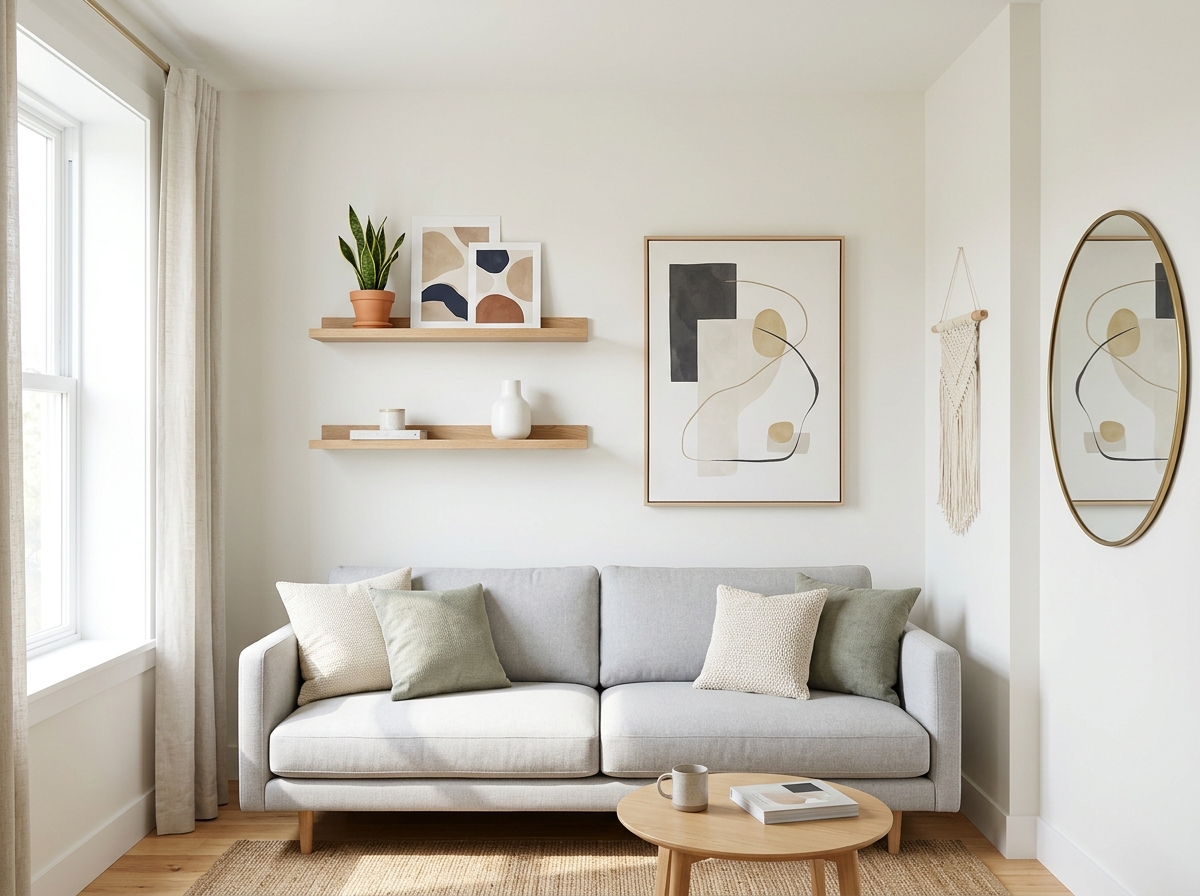
Decorating a small home can feel tricky. You want your space to look great, but you also don’t want it to feel cramped or overwhelming. That’s where minimalist wall decor trends for small homes come in. Instead of covering every inch of wall space, minimalist decor focuses on fewer, more intentional pieces. The result? A room that feels open, calm, and put together. Whether you’re working with a studio apartment or a cozy bedroom, the right wall decor can completely change how your space feels — without breaking the bank.
Why Minimalist Decor Works So Well in Small Spaces
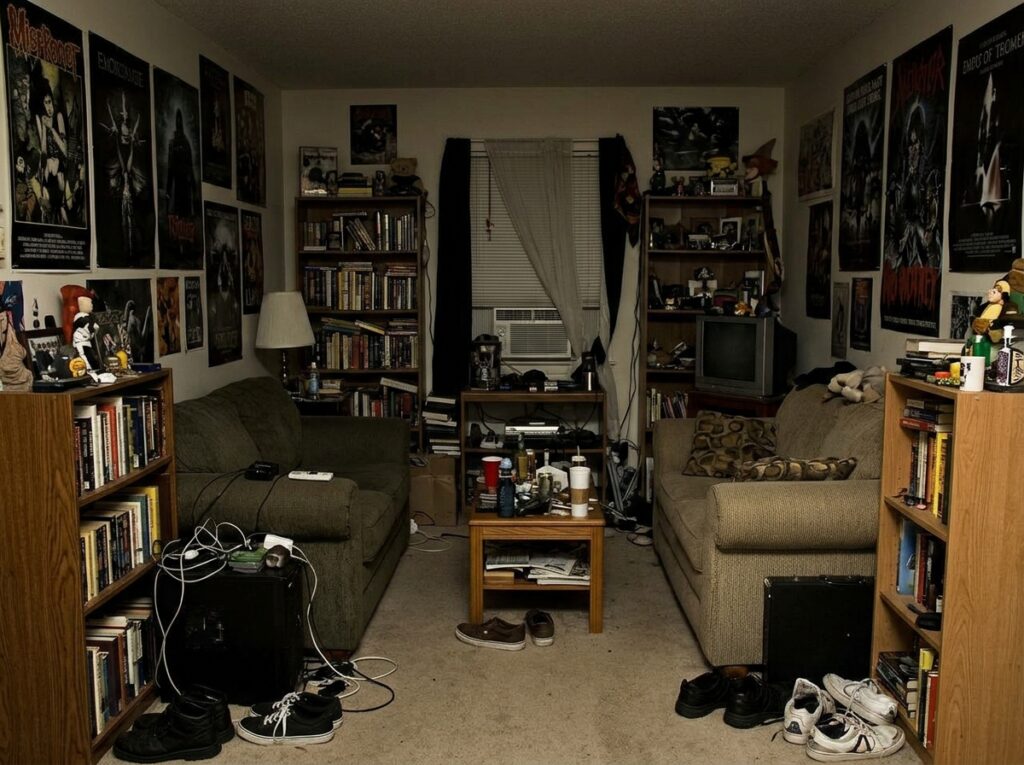
Small rooms have one big challenge — they can feel cluttered very quickly. Too much on the walls makes a space feel busier and smaller than it actually is.
Minimalist decor solves this by using negative space wisely. Negative space is simply the empty area around your decor. When used well, it draws the eye across the room and makes walls feel taller and wider.
It’s not about having nothing on your walls. It’s about being selective. One well-chosen piece of art can do more for a room than ten random frames hung together without any plan.
This approach also makes cleaning and rearranging much easier. Fewer items mean less dust, less decision fatigue, and a home that’s always “guest ready.”
Popular Types of Minimalist Wall Decor — A Quick Overview
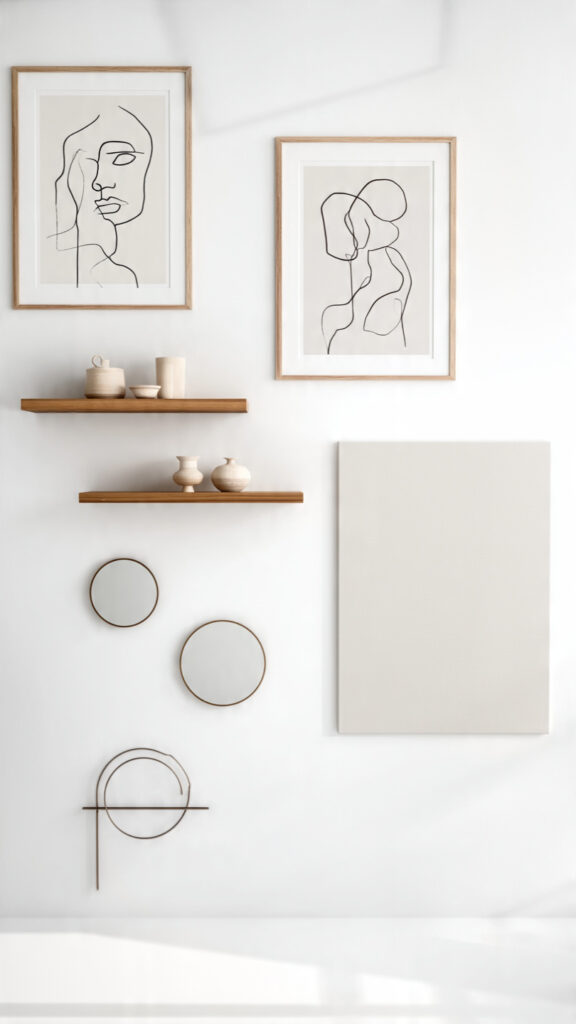
There are several styles within minimalist decor. Not every option suits every home, so it helps to know what’s out there before you choose.
| Feature | Option / Type | Description |
|---|---|---|
| Art Style | Line Art Prints | Simple, single-color drawings with thin lines. Very modern and subtle. |
| Material | Woven Wall Hangings | Textured fabric pieces that add warmth without visual clutter. |
| Color Palette | Neutral Tones | Whites, beiges, and grays that blend with most room styles. |
| Functional Decor | Floating Shelves | Shelves with minimal items like one plant or a small book stack. |
| Statement Piece | Large Single Canvas | One oversized artwork instead of a gallery wall. Creates impact without chaos. |
Each of these options works well in tight spaces. The key is choosing one or two types that match your personal style rather than mixing everything together.
Practical Tips for Decorating Small Walls Without Overcrowding
Start by picking a focal wall — usually the one you see first when you walk into the room. This is where your main decor piece should go.
Keep the rest of the walls simple. A single small print or nothing at all works perfectly on secondary walls. You don’t need to fill every surface.
Use vertical space when possible. Tall, narrow artwork or a vertical shelf draws the eye upward and makes ceilings feel higher. This is one of the easiest tricks for small rooms.
Stick to two or three colors maximum. When your decor shares a similar color family, the whole room looks more cohesive and intentional — even if the pieces are very different in style.
Benefits of Keeping Your Wall Decor Simple
The biggest benefit is visual calm. A clutter-free wall gives your brain a place to rest. This matters more in a small home where every inch is visible.
Simple decor is also more timeless. Trendy gallery walls with dozens of frames can look dated after a few years. A clean, well-placed print tends to stay stylish much longer.
Budget-wise, minimalism actually saves money. Instead of buying ten small items, you invest in one or two quality pieces. That’s better for your wallet and better for the environment too.
Common Mistakes to Avoid When Decorating Small Walls
One of the most common mistakes is hanging decor too high. Most people hang art at eye level or slightly above — not near the ceiling. A good rule: the center of your artwork should sit around 57 to 60 inches from the floor.
Another mistake is choosing pieces that are too small for the wall. A tiny frame on a large empty wall looks lost and awkward. When in doubt, go slightly bigger than you think you need.
Don’t skip planning. Many people buy decor before measuring their wall space. Always measure first, then shop. It saves time and avoids a lot of returns.
Expert Tips to Get the Minimalist Look Just Right
Interior designers often suggest the “one statement, one accent” rule. Pick one main piece for your wall, then add one small accent nearby — like a small plant on a shelf below it. That’s it.
Use frames with thin, simple borders. Thick, ornate frames add visual weight. Thin black or natural wood frames keep things light and modern.
Try temporary options first. Removable wall strips let you test placement before making permanent holes. This is especially helpful in rental apartments.
Natural light also plays a role. Decor placed near a window catches light beautifully and adds depth to a room without adding more stuff.
FAQs About Minimalist Wall Decor for Small Homes
Q1: How many pieces of wall decor should I have in a small room?
For most small rooms, one to three pieces is plenty. A single large artwork on a focal wall often works best.
Q2: What colors work best for minimalist wall decor?
Neutral shades like white, beige, soft gray, and muted earth tones are ideal. They keep things calm and cohesive.
Q3: Is minimalist decor only for modern homes?
Not at all. Minimalist principles — simplicity, intentionality, and breathing room — can work in any style, from Scandinavian to bohemian to traditional.
Conclusion
Decorating a small home doesn’t mean settling for less style. It means making smarter choices. Minimalist wall decor trends for small homes show us that one great piece beats ten okay ones every single time. By focusing on quality over quantity, choosing the right scale, and giving your walls room to breathe, you can create a space that feels both beautiful and comfortable. Start small, stay intentional, and trust that simplicity really does speak the loudest in a well-designed home.
Leave a Reply