Introduction
Wood has always had a way of making a room feel warm and inviting. But today, wooden wall panels are no longer just a rustic or traditional choice. They’ve become one of the most popular design trends in modern interior design. Whether you’re renovating your living room, bedroom, or home office, modern wooden wall panel ideas can completely change how your space looks and feels. The best part? There are options for every budget and every style. Let’s walk through everything you need to know to get started.
Why Wooden Wall Panels Are So Popular Right Now
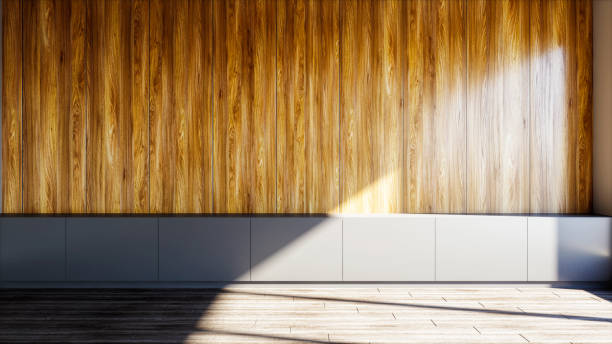
Walk into any stylish home or hotel lobby these days, and you’ll likely spot wood panels on at least one wall. There’s a reason for that. Wood brings texture, depth, and a natural element that paint simply can’t replicate.
Homeowners love it because it works in almost any room. It can make a small bedroom feel cozy or give a large living room a focal point. It also works well with other materials like metal, concrete, and glass.
Another reason for its rise? Sustainability. Many wood panels today are made from reclaimed wood or eco-friendly materials. People who care about the environment often choose wood because it feels like a responsible, natural choice.
Types of Modern Wooden Wall Panels: A Quick Comparison
Before choosing panels for your home, it’s helpful to understand the different types available. Each has its own look, cost, and purpose. Here’s a simple breakdown:
| Feature | Option / Type | Description |
|---|---|---|
| Material | Solid Wood | Durable and natural; best for premium finishes |
| Material | MDF Wood Panels | Budget-friendly; easy to paint or laminate |
| Style | Slat Panels | Thin vertical strips; sleek, modern appearance |
| Style | 3D Textured Panels | Adds depth and visual interest to flat walls |
| Finish | Natural/Raw Finish | Shows wood grain; great for organic, earthy décor |
This table gives you a starting point. The right choice depends on your room’s purpose, your budget, and the style you’re going for. Slat panels are especially trendy right now for accent walls in living rooms and bedrooms.
Practical Tips Before You Start Installing
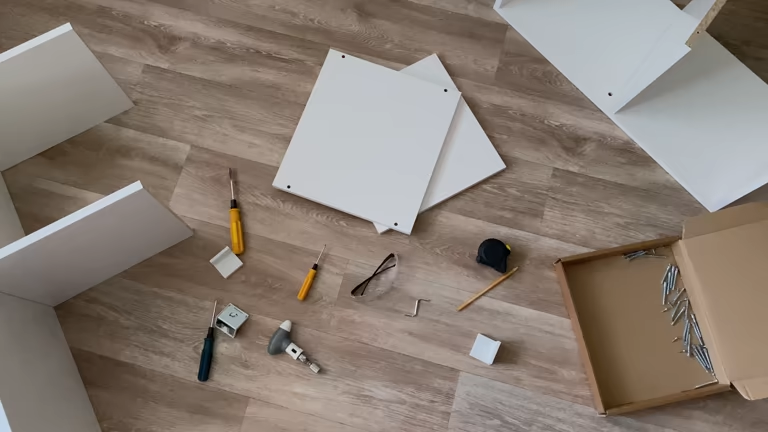
Planning is key before you touch a single panel. Here are a few things to keep in mind.
Measure twice, cut once. Sounds simple, but many people skip this step. Know the exact dimensions of your wall before ordering materials. It saves money and reduces waste.
Think about the room’s lighting. Dark wood panels can look stunning but may make a small, poorly lit room feel even darker. If your room doesn’t get much natural light, go with lighter wood tones or add warm accent lighting.
Decide on DIY vs. professional installation. Slat panels and peel-and-stick options are often manageable as a weekend project. However, heavier solid wood panels or complex patterns may need a professional. Don’t underestimate the job.
Benefits of Adding Wood Panels to Your Walls
Wood panels do more than just look good. They offer several practical advantages that many people overlook.
Sound insulation is one big bonus. Wooden panels can help reduce echo in a room, making them great for home offices, media rooms, or bedrooms.
Durability is another win. High-quality wood panels can last for decades with minimal care. Unlike wallpaper that peels or paint that chips, a well-installed wood panel holds up over time.
They also add value to your home. Buyers often respond well to quality wood finishes during home viewings. It’s a detail that can set your home apart.
Common Mistakes People Make With Wood Panels

Even a great idea can go wrong without proper planning. Here are mistakes to avoid.
Covering every wall. This is the most common error. Wood works best as an accent. Using it on all four walls can feel overwhelming and heavy. Pick one statement wall.
Ignoring moisture levels. Bathrooms and basements have higher humidity. Not all wood panels are suitable for these spaces. Always check if your chosen panel is moisture-resistant before installing.
Skipping the primer or sealant. Even finished panels benefit from a sealant, especially in high-traffic areas. It protects the surface and keeps the wood looking fresh longer.
Expert Tips for Getting the Best Results
Interior designers often share a few golden rules when working with wood wall panels.
Mix textures, not just colors. Pairing smooth slat panels with a rough-grain texture nearby creates visual contrast without clashing. It keeps things interesting without being busy.
Use vertical panels to make ceilings look higher. If your room feels short or boxy, vertical slat panels draw the eye upward. It’s a simple trick that makes a real difference.
Don’t forget the trim. Finishing edges cleanly with matching trim or corner strips makes the whole installation look polished and professional. Small details matter a lot.
FAQs About Wooden Wall Panels
Q: Are wooden wall panels hard to maintain?
Not really. Most only need dusting or a light wipe with a damp cloth. Sealed panels are even easier to clean.
Q: Can I install wooden wall panels myself?
Yes, many types are DIY-friendly, especially slat panels with peel-and-stick backing. Just make sure your walls are clean and flat.
Q: Do wood panels work in small rooms?
Absolutely. Light-colored panels or thin vertical slats can actually make a small room feel bigger and more open.
Conclusion
Adding wood to your walls is one of the simplest ways to elevate a room’s look and feel. From slat panels in a bedroom to 3D textured feature walls in a living room, there’s no shortage of modern wooden wall panel ideas to explore. The key is choosing the right type for your space, planning carefully, and keeping things balanced. Whether you go bold with a dark walnut finish or keep it light with natural pine, wood panels bring something warm and real to any room. Start small, enjoy the process, and let the wood do the work.
Leave a Reply