Introduction
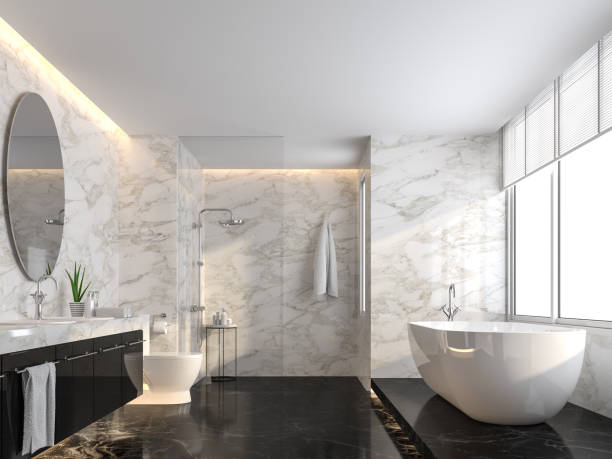
In today’s busy world, coming home to a calm bathroom feels like a small luxury. Minimal bathroom aesthetic ideas focus on stripping away excess while keeping everything you actually need. The result? A space that feels bigger, cleaner, and more relaxing.
Minimalism in bathrooms isn’t just a trend—it’s a practical choice. It reduces visual clutter, makes cleaning easier, and creates a timeless look that won’t go out of style quickly. Whether you’re renovating a small apartment bathroom or refreshing a master bath, these ideas deliver maximum impact with minimum fuss.
Core Principles of Minimal Bathroom Aesthetics
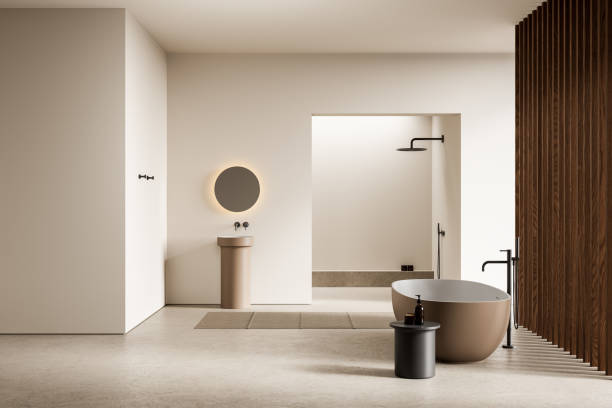
At its heart, minimal design follows a few simple rules: clean lines, neutral tones, quality over quantity, and purposeful objects. Every item should serve a function or bring quiet joy.
Start by decluttering. Remove everything from counters and shelves. Only return items you use daily. This single step transforms the entire feel of the room.
Focus on natural materials like stone, wood, matte ceramic, and brushed metal. These textures add warmth without overwhelming the senses.
Choosing the Right Color Palette
Neutral colors form the foundation of most minimal bathrooms. Think soft whites, warm beiges, gentle grays, and subtle taupes. These shades reflect light beautifully and make the space feel larger.
For a touch of personality, introduce one accent color sparingly—perhaps a deep charcoal wall or soft sage green towels. Black fixtures against white walls create striking contrast while staying minimalist.
Many homeowners love the look of white subway tiles paired with light gray grout. It’s classic, easy to maintain, and feels fresh year after year.
Lighting That Enhances Simplicity
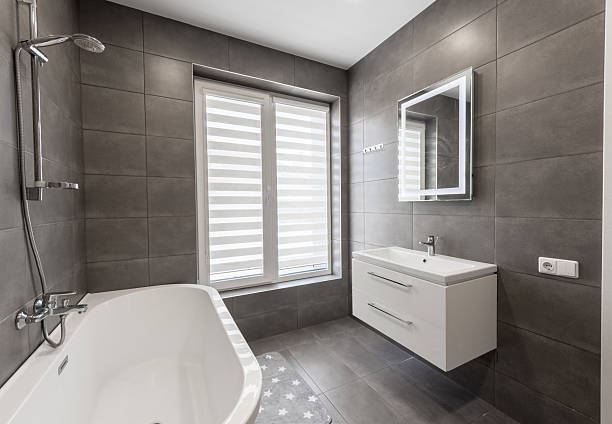
Good lighting can make or break a minimal bathroom. Layer your lighting: ambient, task, and accent.
A large flush-mount ceiling light or slim linear fixture keeps the ceiling looking clean. Wall sconces on either side of the mirror provide even, flattering light for daily routines. If possible, maximize natural light with a window or skylight treatment that maintains privacy without heavy curtains.
Dimmable lights add versatility—bright for morning routines and softer for evening baths.
Smart Storage for Clutter-Free Spaces
Hidden storage is key in minimalist bathrooms. Recessed medicine cabinets, floating vanities with drawers, and built-in wall niches keep necessities out of sight.
Consider a tall, slim cabinet in the corner or a mirrored cabinet above the sink. Under-sink organizers with pull-out drawers make the most of awkward spaces. For towels, open shelving works well if you fold them neatly and limit colors to two or three coordinating shades.
Fixtures and Hardware Essentials
Choose fixtures with clean, geometric shapes. Matte black, brushed nickel, or polished chrome finishes look modern and sophisticated. Go for wall-mounted faucets and toilets when possible—they free up floor space and simplify cleaning.
A frameless glass shower enclosure creates a seamless, spacious feel. Simple rectangular mirrors (or a large round one for softness) enhance the minimalist aesthetic without ornate frames.
Minimal Decor and Personal Touches
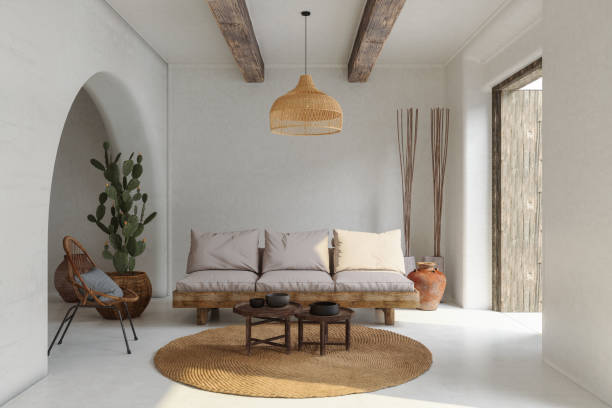
Minimal doesn’t mean sterile. Add subtle personality through:
- A single potted plant like snake plant or pothos
- One beautiful soap dispenser in ceramic or stone
- Textured towels in neutral tones
- A small piece of abstract art on the wall
Keep surfaces mostly clear. A small tray can hold daily essentials neatly.
Ideas for Small Bathrooms
Small bathrooms benefit enormously from minimalist design. Use these strategies:
- Install a corner sink or floating vanity
- Choose light colors and large-format tiles
- Use vertical storage to draw the eye upward
- Opt for a wet room style shower without a bulky tub if space is very tight
- Mirror the wall opposite the window to bounce light around
Even the tiniest bathroom can feel luxurious when every inch serves a purpose.
Practical Tips to Get Started
Begin with a realistic budget and timeline. Paint is one of the most affordable ways to refresh a space. Choose moisture-resistant paint in a soft white or greige.
Measure carefully before buying new fixtures. Consider working with a contractor experienced in small space design if you’re doing major changes.
Shop for quality over trendy items. Timeless pieces cost more upfront but save money long-term.
Take before and after photos to appreciate your progress. Small changes—like new towels and decluttering—often make the biggest visual difference.
Conclusion
Creating a minimal bathroom aesthetic is about more than looks. It’s about designing a peaceful space where you can truly unwind. By focusing on simplicity, quality materials, and thoughtful organization, you build a bathroom that feels both beautiful and functional.
Start small. Pick one area to improve this weekend—maybe clearing the counters or adding better lighting. Over time, these thoughtful choices create a space you’ll love coming back to every day.
Frequently Asked Questions
What colors work best in a minimal bathroom? Soft neutrals like white, beige, light gray, and warm taupe create a calm foundation. Add depth with darker accents or natural wood tones.
How can I make a small bathroom look more minimalist? Focus on light colors, large tiles, wall-mounted fixtures, and smart hidden storage. Keep surfaces clear and use vertical space effectively.
Are minimal bathrooms hard to maintain? Actually, they’re easier. Fewer items and clean lines mean less dusting and quicker cleaning routines.
Can I add personality to a minimalist bathroom? Yes. Use texture through materials, one or two plants, and carefully chosen accessories. The goal is intentional, not empty.
What’s the biggest mistake people make with minimalist bathrooms? Trying to add too many decorative items. Remember that every object should have a clear purpose or bring genuine calm.
Leave a Reply