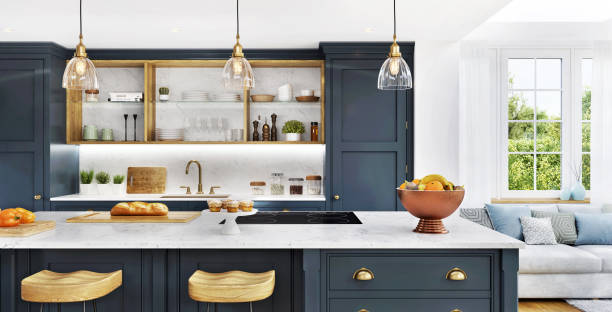
Open Kitchen Design Inspiration, Open kitchens have become the heartbeat of modern homes. They blend cooking, dining, and living spaces into one inviting area where families gather, friends chat, and everyday life flows naturally. If you’re renovating or building, an open kitchen can make your home feel larger, brighter, and more connected.
In this guide, you’ll find genuine inspiration drawn from real design principles that work in everyday homes. Whether you love minimalist lines, warm rustic touches, or bold contemporary statements, there’s something here to spark your next project.
Table of Contents
- What Makes an Open Kitchen Special?
- Key Benefits of Open Kitchen Designs
- Popular Open Kitchen Layout Ideas
- Choosing Colors and Materials
- Lighting That Makes a Difference
- Smart Storage Solutions
- The Power of a Kitchen Island
- Style Inspirations for Every Taste
- Practical Tips Before You Start
- Conclusion
- FAQs
What Makes an Open Kitchen Special?
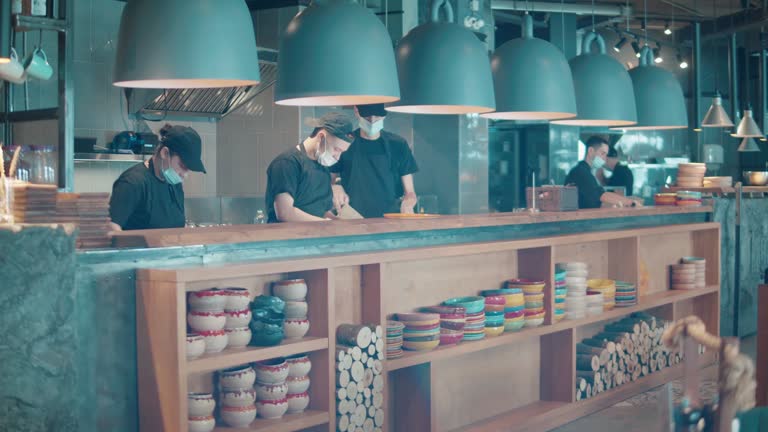
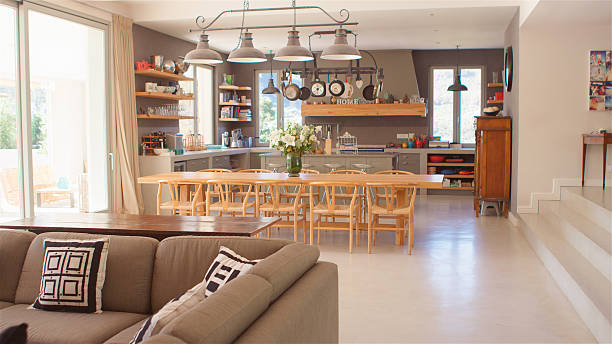
An open kitchen removes walls between the cooking area and adjacent living spaces. Instead of being tucked away, the kitchen becomes part of the main living zone. This design encourages interaction—someone can cook while others relax nearby or sit at a counter chatting.
The concept works especially well in apartments, townhouses, and family homes where space feels precious. It turns the kitchen from a purely functional room into a social centerpiece.
Key Benefits of Open Kitchen Designs
Open kitchens offer more than just looks. They improve natural light flow throughout the home, making spaces feel bigger even in smaller footprints. Conversation flows easily, which is wonderful for families with children or when entertaining.
They also support modern lifestyles where cooking is no longer hidden behind closed doors. Parents can supervise kids while preparing meals, and guests feel welcome instead of isolated.
On a practical level, open designs can increase property value in many markets because buyers today crave that sense of openness and connection.
Popular Open Kitchen Layout Ideas
L-shaped layouts remain one of the most popular choices. They provide plenty of counter space while keeping the cooking zone defined yet connected to the living area.
Galley-style open kitchens work beautifully in narrower homes. You can open one side to the living room, creating a sense of width without losing efficiency.
For larger homes, a U-shaped kitchen opening into a dining or living zone offers maximum storage and workspace while maintaining visual flow. Many homeowners add a peninsula or island to gently separate zones without closing them off.
Choosing Colors and Materials
Light, neutral palettes tend to work best in open kitchens because they reflect light and make the entire space feel airy. Think soft whites, warm beiges, light grays, and natural wood tones.
Materials matter too. Quartz or marble-look countertops offer durability and elegance. Mixed materials—such as wood cabinets paired with sleek metal handles or stone surfaces—add depth and interest without overwhelming the space.
In my experience helping friends with renovations, adding texture through subway tiles, open shelving, or woven bar stools prevents the design from feeling flat or cold.
Lighting That Makes a Difference
Good lighting transforms an open kitchen from functional to stunning. Layer your lighting: ambient ceiling lights, task lighting under cabinets, and accent lighting over an island or dining table.
Pendant lights above a kitchen island create a focal point while providing focused illumination for food prep or casual meals. Dimmable options let you adjust the mood from bright daytime cooking to softer evening entertaining.
Don’t forget natural light. Large windows or sliding glass doors connecting to outdoor spaces can make your open kitchen feel like an extension of the garden or patio.
Smart Storage Solutions
Open kitchens require thoughtful storage because clutter is more visible. Upper cabinets with glass doors display beautiful dishware while keeping things organized. Open shelving works well for frequently used items but needs regular styling.
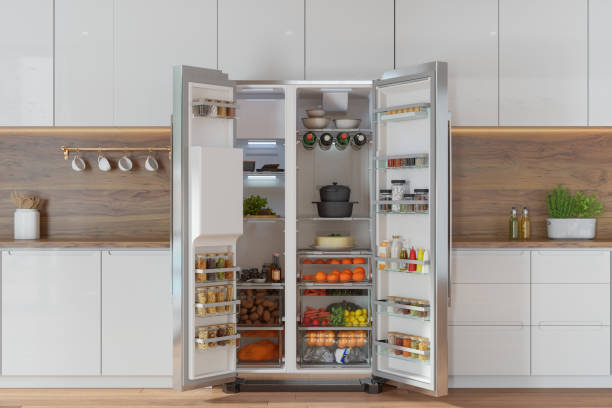
Consider deep drawers instead of traditional cabinets for pots and pans—they’re much easier to access. Pull-out pantry systems maximize narrow spaces and keep dry goods organized and hidden when not in use.
The Power of a Kitchen Island
A well-designed kitchen island often becomes the star of an open kitchen. It provides extra prep space, casual seating, and storage all in one.
Popular options include islands with waterfall edges, integrated sinks, or breakfast bars. Some homeowners add power outlets for small appliances or charging stations, making the island truly multifunctional.
One practical example: a family I know used their island as both a homework station for kids and a serving buffet during gatherings—proving its versatility.
Style Inspirations for Every Taste
Modern Minimalist: Clean lines, handleless cabinets, integrated appliances, and a monochrome palette with strategic pops of greenery.
Warm Contemporary: Mix light wood tones with matte black fixtures and comfortable upholstered bar stools for an inviting feel.
Rustic Modern: Exposed brick or wood beams paired with sleek countertops and industrial lighting creates beautiful contrast.
Scandinavian: Lots of white, natural wood, and cozy textiles. Simple shapes and plenty of plants bring life to the space.
Industrial Chic: Concrete-look surfaces, metal accents, and vintage lighting for bold character.
Practical Tips Before You Start
Think about ventilation first—open kitchens need powerful range hoods that operate quietly to handle cooking smells effectively. Consider traffic flow so people aren’t constantly bumping into each other during meal prep.
Budget for quality appliances since they’ll be on display. Also, plan your flooring carefully—durable options like porcelain tile or luxury vinyl work well in high-traffic kitchen zones while matching living area flooring for seamless flow.
Consult with a professional designer or experienced contractor early, especially for structural changes like removing walls. They can help ensure your beautiful vision is also safe and practical.
Conclusion
An open kitchen brings warmth, connection, and functionality into the center of your home. By focusing on good flow, thoughtful storage, layered lighting, and personal style, you can create a space that works beautifully for your daily life while looking stunning.
The best open kitchens reflect the people who live there. Take time to consider how your family actually uses the space, then layer in inspiration that feels right for you. The result will be a home that feels truly alive and welcoming.
FAQs
What is the best layout for a small open kitchen? L-shaped or galley layouts work particularly well in smaller homes. Adding a compact island or peninsula can provide extra function without crowding the space.
Are open kitchens hard to keep clean? They require slightly more regular maintenance since everything is visible, but good organization systems and quick daily tidying make them very manageable.
How do I separate zones in an open kitchen? Use area rugs, different lighting, strategic furniture placement, or changes in ceiling height to define cooking, dining, and living areas without walls.
What flooring works best in open kitchens? Durable, easy-to-clean materials like porcelain tile, luxury vinyl plank, or sealed hardwood that coordinates with your living area flooring.
Can I do an open kitchen in a rental? Yes! Focus on non-structural changes like paint, temporary islands, stylish open shelving, and movable furniture to create an open feel without permanent alterations.
Leave a Reply