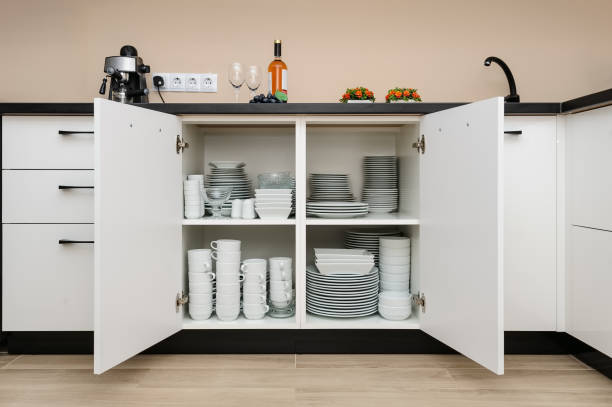
Category: Kitchen

  • Smart Kitchen Storage Ideas for Apartments

    Smart Kitchen Storage Ideas for Apartments

    Smart Kitchen Storage Ideas, Living in an apartment often means working with a compact kitchen where every square inch counts. Limited counter space, few cabinets, and no room for bulky furniture can quickly turn meal prep into a frustrating puzzle. The good news? With thoughtful planning and smart storage solutions, you can transform even the tiniest kitchen into an efficient, organized haven.

    In this guide, I’ll share practical ideas that real apartment dwellers use to gain more space without expensive renovations. These tips focus on functionality, affordability, and style so your kitchen feels bigger and works better for daily cooking.

    Table of Contents

    • Why Smart Storage Matters in Apartment Kitchens
    • Vertical Storage Solutions That Save Floor Space
    • Under-Cabinet and Drawer Organization Hacks
    • Multi-Functional and Space-Saving Furniture
    • Wall-Mounted and Hanging Storage Ideas
    • Pantry and Cabinet Optimization Tips
    • Smart Tech and Modern Storage Solutions
    • FAQs

    Why Smart Storage Matters in Apartment Kitchens

    Apartment kitchens are designed for efficiency, not abundance. When cabinets overflow and counters stay cluttered, cooking becomes stressful instead of enjoyable. Smart storage helps reduce visual chaos, improves safety by keeping items within easy reach, and makes cleaning faster.

    The key is thinking vertically and creatively rather than relying on traditional storage. Many solutions require no tools or permanent changes, making them perfect for renters.

    Vertical Storage Solutions That Save Floor Space

    One of the best ways to free up counter space is to go up instead of out.

    Over-the-door organizers are game-changers. Hang them on pantry or cabinet doors to store spices, cutting boards, or foil wraps. Choose slim designs that won’t interfere with door closure.

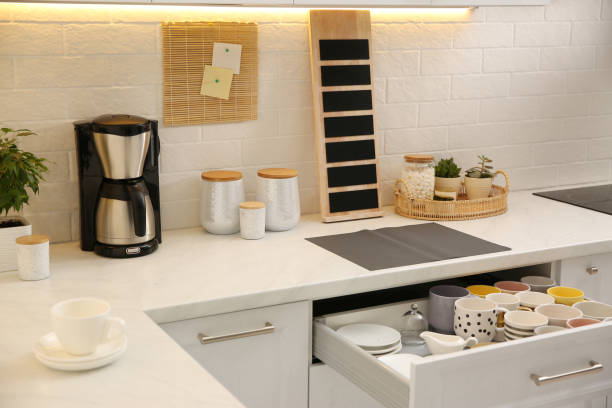
    Floating shelves add character and storage. Install them above the sink or stove (if permitted by your lease) for frequently used items like mugs, jars, or cookbooks. Glass or light wood shelves keep the space feeling airy.

    Magnetic knife strips and spice racks mounted on walls or inside cabinet doors keep sharp tools and seasonings visible yet out of the way.

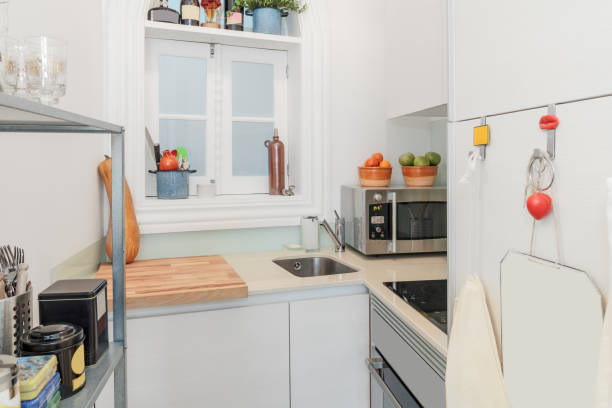
    For example, a friend in a studio apartment mounted a pegboard on an empty wall section. It now holds pots, utensils, and even a small herb garden — proving vertical storage can be both practical and decorative.

    Under-Cabinet and Drawer Organization Hacks
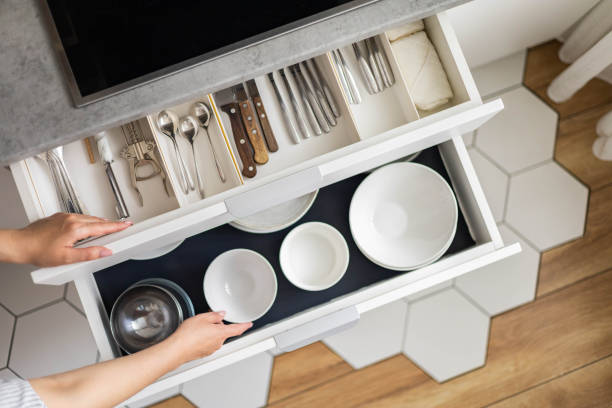
    The areas under cabinets and inside drawers often hide wasted potential.

    Use pull-out cabinet organizers or tiered shelves to bring items from the back to the front. Stackable bins made from clear plastic help categorize snacks, baking supplies, or canned goods.

    In drawers, bamboo or plastic dividers separate utensils, making them easy to find. Consider expandable drawer organizers that adjust to fit odd-sized drawers common in older apartments.

    A simple trick: Install under-cabinet hooks or small rails for hanging mugs or measuring spoons. This keeps counters clear while adding charm.

    Multi-Functional and Space-Saving Furniture

    Choose furniture that works harder.

    Rolling kitchen islands or small butcher block carts provide extra prep space and storage. Look for models with shelves underneath and locking wheels so you can move them aside when not in use.

    Folding tables mounted on walls can serve as dining areas or extra counters and tuck away neatly.

    Stackable storage bins or ottomans with hidden compartments can double as seating and pantry overflow when placed strategically in the kitchen or adjacent living area.

    Wall-Mounted and Hanging Storage Ideas
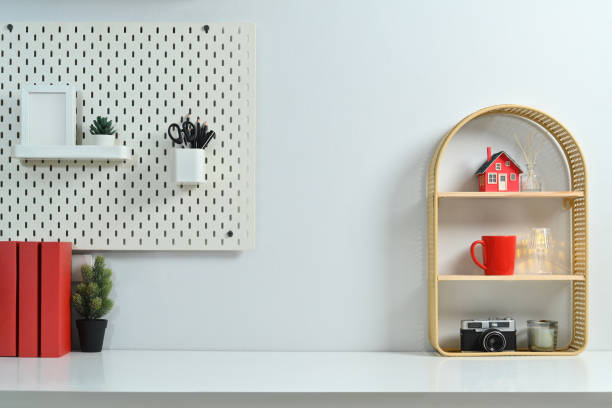
    Walls are your best friends in small kitchens.

    • Pot racks hanging from the ceiling (check weight limits) free up cabinet space dramatically.
    • Wire baskets or grid panels mounted on walls hold fruits, vegetables, or kitchen towels.
    • Tension rods inside cabinets create extra levels for storing plates or bowls vertically.

    In one compact kitchen I helped organize, adding a hanging rail with S-hooks transformed a blank wall into a spot for pans, strainers, and even a small dish towel collection. The transformation was instant.

    Pantry and Cabinet Optimization Tips

    Even tiny pantries benefit from smart systems.

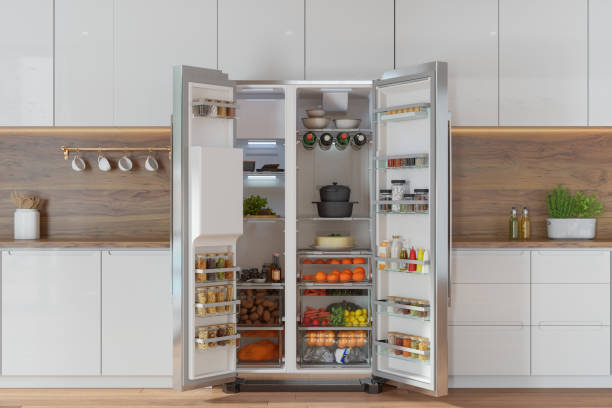
    Use lazy Susans in corner cabinets to access items easily. Clear stackable containers with labels keep dry goods fresh and visible. Consider over-the-door pantry organizers with multiple pockets for snacks and condiments.

    For upper cabinets, store items you use less frequently on top shelves and keep daily essentials at eye level. Uniform containers create a tidy, cohesive look that feels more spacious.

    Smart Tech and Modern Storage Solutions

    Technology is making small kitchens smarter than ever.

    Smart cabinet organizers with built-in sensors can track inventory, though basic versions with good lighting work well too. LED under-cabinet lights improve visibility in dark corners.

    Vacuum-sealed storage bags maximize space for seasonal items or bulk buys. Apps that help plan meals can indirectly reduce clutter by encouraging smarter shopping.

    Conclusion

    Creating a smart kitchen in an apartment doesn’t require a big budget or major construction. By focusing on vertical space, multi-functional pieces, and clever organizers, you can build a kitchen that supports your lifestyle rather than limiting it.

    Start small — pick one area like a single drawer or cabinet and organize it completely before moving to the next. The results will motivate you to keep going. A well-organized kitchen not only saves time but makes coming home and cooking feel like a pleasure instead of a chore.

    With these ideas, your apartment kitchen can feel larger, work better, and look stylish — all while staying within rental-friendly boundaries.

    FAQs

    What is the best storage solution for a very small apartment kitchen? Vertical storage like floating shelves, over-the-door organizers, and hanging pot racks usually deliver the biggest impact with minimal investment.

    Are command hooks safe for kitchen storage? Yes, when used according to weight guidelines and on clean, smooth surfaces. They’re excellent for lightweight items like utensils or towels.

    How can I organize my kitchen without damaging walls? Focus on tension rods, freestanding carts, adhesive hooks rated for kitchen use, and over-the-door solutions that don’t require drilling.

    What should I store in upper cabinets versus lower ones? Keep heavy and frequently used items in lower cabinets. Use upper cabinets for lighter items used less often, such as special occasion dishes or seasonal supplies.

    Can smart storage ideas work in rental apartments? Absolutely. Most of these solutions are non-permanent and easy to remove when you move.
  • Luxury Modular Kitchen Setup Trends for 2026

    Luxury Modular Kitchen Setup Trends for 2026

    The kitchen has always been the heart of the home. In 2026, luxury modular kitchens are taking this idea further by blending cutting-edge technology, timeless elegance, and practical functionality. Whether you’re remodeling or building anew, these setups offer flexibility without compromising on style.

    Modular designs allow homeowners to customize every inch. This adaptability makes them ideal for modern lifestyles. Let’s dive into the trends shaping luxury kitchens this year.

    Table of Contents

    • Why Choose Luxury Modular Kitchens?
    • Top Design Trends in 2026
    • Smart Technology Integration
    • Material and Finish Choices
    • Layout Ideas That Work Wonders
    • Color Palettes Making Waves
    • Sustainable Practices in Luxury Kitchens
    • FAQs

    Why Choose Luxury Modular Kitchens?

    Modular kitchens shine because of their flexibility. Unlike traditional fixed setups, these come in pre-made units that fit together seamlessly. This approach saves time during installation and makes future updates easier.

    For many homeowners, the appeal lies in the balance of luxury and everyday usability. Imagine a kitchen that looks like it belongs in a high-end magazine but still handles busy family mornings. Luxury modular options deliver exactly that. They use premium materials while keeping maintenance straightforward.

    Another big plus is space optimization. In urban homes where every square foot counts, modular systems maximize storage without making the area feel cramped.

    Top Design Trends in 2026

    Minimalism with personality leads the way. Clean lines and handleless cabinets create a sleek look, while thoughtful details add warmth. Many designers now focus on “quiet luxury” — refined spaces that feel expensive without shouting for attention.

    Statement kitchen islands have evolved too. Forget plain rectangles. Current designs feature unique edges, integrated seating, or even multi-level surfaces for different tasks. One popular example pairs a large island with waterfall edges in quartz for a dramatic yet practical centerpiece.

    Lighting plays a bigger role than ever. Layered lighting — combining ambient, task, and accent options — transforms how the kitchen feels at different times of day. Under-cabinet LEDs and pendant lights over islands remain favorites.

    Smart Technology Integration

    Technology has become a subtle but powerful part of luxury modular kitchens. Voice-activated systems control lights, music, and even appliances. Smart refrigerators track inventory, while touchless faucets add convenience and hygiene.

    Hidden tech stands out as a key trend. Appliances blend into cabinetry, keeping the visual flow clean. Imagine a coffee station that tucks away when not in use or a charging drawer for devices.

    These features don’t just look impressive — they make daily routines smoother. For busy professionals, automated systems free up valuable time.

    Material and Finish Choices

    Premium materials define luxury kitchens in 2026. Quartz and natural stone countertops offer durability with beautiful patterns. Many prefer matte finishes over glossy ones for their sophisticated, fingerprint-resistant appeal.

    Wood textures bring warmth. Whether real wood veneers or high-quality laminates, they pair beautifully with metal accents. Glass elements in cabinet doors add lightness and display space for favorite dishware.

    Sustainability influences choices heavily. Recycled materials and low-VOC finishes appeal to eco-conscious buyers. These options maintain the high-end feel while supporting better environmental practices.

    Layout Ideas That Work Wonders

    Flexibility defines modern layouts. L-shaped and U-shaped designs remain popular for their efficiency. G-shaped kitchens add extra workspace or seating. For open-plan homes, hybrid layouts connect the kitchen smoothly to living areas.

    Consider your daily habits when planning. A family that cooks together might love a large central island. Someone who entertains often may prefer a layout with easy flow to the dining area.

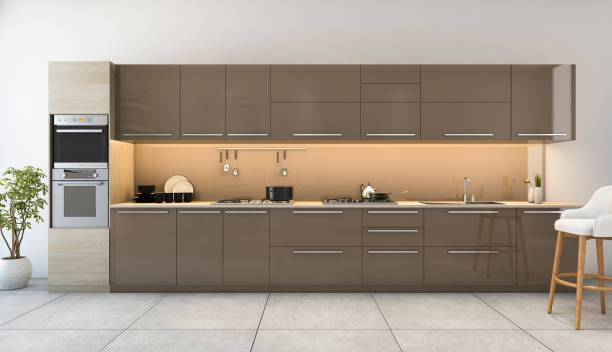
    Practical example: A compact apartment transformed with an inline modular setup. Clever storage solutions and light colors made the small space feel airy and luxurious.

    Color Palettes Making Waves

    Warm neutrals dominate this year. Soft beiges, greiges, and creamy whites create calm backdrops. Earthy tones like olive green, terracotta, and deep navy add depth when used as accents.

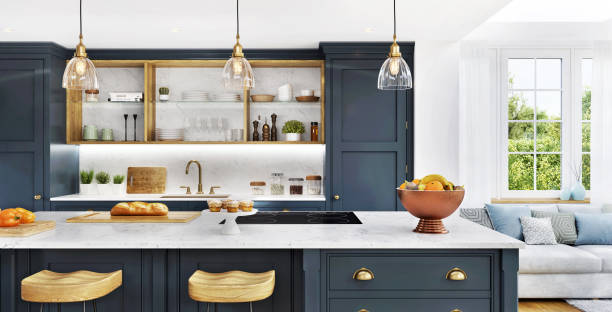
    Two-tone designs gain popularity. Pairing lighter upper cabinets with darker lowers creates visual interest. Black and gold combinations deliver striking elegance, while natural wood tones bring organic charm.

    The key is balance. Bold choices work best when grounded by neutral elements. This approach keeps the kitchen timeless rather than trendy.

    Sustainable Practices in Luxury Kitchens

    Today’s luxury buyers care about more than looks. Energy-efficient appliances and water-saving fixtures have become standard. Many opt for cabinets made from responsibly sourced materials.

    Modular systems support sustainability too. Their design allows easy replacement of individual parts instead of full renovations. This reduces waste over time.

    Small touches make a difference. Herb gardens integrated into countertops or windowsills add freshness while encouraging mindful cooking.

    Practical Tips for Your Project

    Start by assessing your needs. Measure the space carefully and think about how you use the kitchen. Work with experienced designers who understand both aesthetics and functionality.

    Budget wisely. Focus investments on high-use areas like countertops and cabinetry. Quality hardware pays off in daily comfort and longevity.

    Don’t rush the decision. Look at samples in different lighting conditions. Visit showrooms to get a real feel for materials and layouts.

    Conclusion

    Luxury modular kitchen setups in 2026 beautifully merge innovation with comfort. These designs adapt to your lifestyle while creating spaces you truly love spending time in. Whether you prefer sleek minimalism or warm, inviting tones, the options available today make it easier than ever to achieve your vision.

    The best kitchens feel personal. They reflect how you live while offering the performance and beauty you deserve. As trends evolve, focusing on quality, functionality, and sustainability ensures your kitchen remains stunning for years to come.

    Ready to transform your space? Take time to explore what resonates with your style and needs. The result will be a kitchen that not only impresses but truly works for you.

    FAQs

    What makes a modular kitchen luxurious? Luxury comes from premium materials, smart features, custom configurations, and high-quality finishes that combine beauty with lasting performance.

    Are modular kitchens suitable for small spaces? Yes. Their flexible design maximizes every inch, making them excellent for apartments and compact homes while maintaining an upscale feel.

    How long do luxury modular kitchens typically last? With good materials and proper care, they can last 15-25 years or more. Regular maintenance helps preserve their appearance and function.

    What colors are trending for luxury modular kitchens in 2026? Warm neutrals, earth tones, and sophisticated dark shades like navy and charcoal lead the way, often paired with natural wood accents.

    Can I add smart features to an existing modular kitchen? Many smart upgrades, such as voice controls or touchless fixtures, can be retrofitted depending on your current setup.

  • Farmhouse Kitchen Decor Ideas for a Warm and Welcoming Space

    Farmhouse Kitchen Decor Ideas for a Warm and Welcoming Space

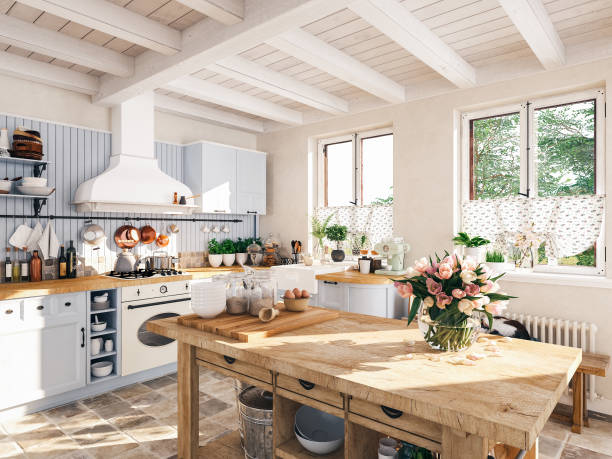
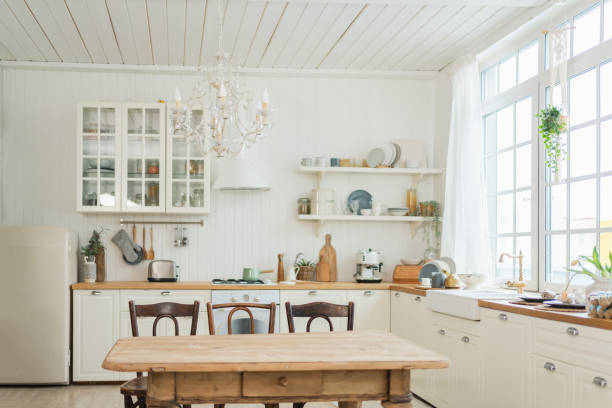
    There’s something special about walking into a farmhouse kitchen. It feels lived-in, comforting, and full of character. Whether you’re remodeling an old home or simply adding personality to a new build, farmhouse decor brings together timeless elements that never go out of style.

    In this guide, I’ll share practical farmhouse kitchen decor ideas that balance beauty and function. These suggestions draw from years of observing what makes kitchens truly inviting—natural materials, soft colors, and thoughtful details that make daily life more enjoyable.

    Why Farmhouse Kitchen Style Remains Popular

    Farmhouse kitchens evoke a sense of nostalgia and simplicity. They mix rustic textures with clean lines, creating spaces that feel both cozy and practical. This style works well for busy families because it’s durable and easy to maintain while still looking beautiful.

    The beauty of farmhouse design lies in its flexibility. You can lean into a more traditional rustic look or choose a modern farmhouse approach with sleeker finishes. Either way, the focus stays on warmth and authenticity.

    Essential Elements of Farmhouse Kitchen Decor

    Color Palette Choices

    Soft neutrals form the foundation of most farmhouse kitchens. Think creamy whites, warm beiges, soft grays, and gentle taupes. These colors create a calm backdrop that makes the space feel larger and brighter.

    Add depth with natural wood tones and black accents. A deep navy or sage green can bring subtle personality without overwhelming the room. Many homeowners paint cabinets in “Simply White” or “Revere Pewter” for that classic farmhouse feel.

    Materials That Define the Style

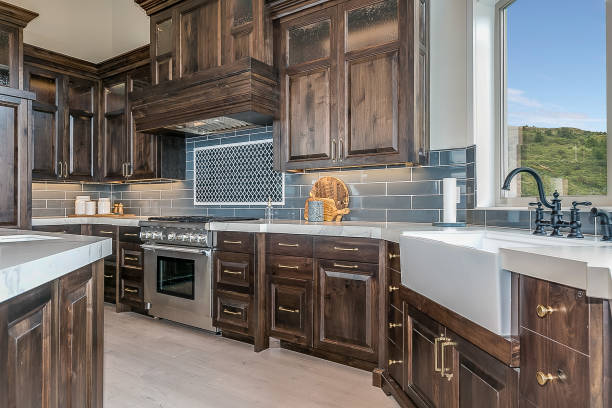
    Wood is king in farmhouse kitchens. Reclaimed barn wood for beams, open shelves, or islands adds instant character. Butcher block countertops offer warmth and function, while quartz or granite in neutral tones provide durability with a timeless look.

    Shiplap walls remain a favorite for adding texture. You don’t need to cover every wall—using it as a backsplash or on one accent wall creates visual interest without feeling dated.

    Creative Farmhouse Kitchen Decor Ideas

    Cabinet and Storage Solutions

    Open shelving is a signature farmhouse feature. Floating wooden shelves display pretty dishes, vintage cookbooks, and potted herbs. Mix in a few closed cabinets to hide everyday clutter.

    Consider mixing cabinet styles. Some homeowners paint lower cabinets a soft color while leaving upper ones natural wood. This creates dimension and makes the kitchen feel collected over time rather than matching perfectly.

    Island Inspiration

    A large kitchen island serves as the heart of the home. Choose one with a thick wood top and turned legs for classic farmhouse appeal. Add seating with simple stools that have woven or leather seats.

    For smaller kitchens, a narrow console table against a wall can function as a mini island for prep work and casual dining.

    Lighting That Sets the Mood

    Lighting makes or breaks farmhouse kitchens. A statement chandelier or pendant lights with Edison bulbs above the island create a warm glow. Choose fixtures with matte black, brushed nickel, or aged brass finishes.

    Don’t forget under-cabinet lighting and natural light from windows. Layering different light sources makes the space functional during busy mornings and cozy during evening meals.

    Backsplash and Wall Treatments

    Subway tile in white or cream remains popular for its clean lines. For more character, try handmade ceramic tiles with slight imperfections or a herringbone pattern.

    Wood paneling or beadboard on lower walls adds texture and protects against dings. Many people also incorporate vintage signs, open racks for hanging utensils, or a small chalkboard for family notes.

    Textiles and Soft Touches

    Layer in comfort with linen curtains, woven rugs, and cotton dish towels. A runner rug in a muted pattern softens hard floors and adds color. Simple Roman shades or cafe curtains let in light while providing privacy.

    Budget-Friendly Farmhouse Kitchen Updates

    You don’t need a complete renovation to achieve farmhouse charm. Start small:

    • Paint existing cabinets in a fresh neutral color
    • Replace hardware with matte black knobs and pulls
    • Add open shelving above the sink
    • Swap out modern light fixtures for vintage-style ones
    • Display everyday items in pretty containers

    Thrift stores and online marketplaces often have great finds like old cutting boards, enamelware, and wooden crates that add authentic character.

    Modern Farmhouse Kitchen Decor Ideas

    Today’s farmhouse style often blends rustic elements with contemporary touches. Clean white cabinets paired with black hardware and stainless steel appliances create a fresh, updated look. Quartz countertops offer the beauty of marble without the maintenance.

    Many homeowners incorporate smart technology discreetly while keeping the warm aesthetic. A modern farmhouse kitchen can include sleek faucets, hidden outlets, and energy-efficient appliances without sacrificing charm.

    Bringing Nature Indoors

    Plants play a big role in farmhouse kitchens. Herbs in terracotta pots on windowsills add life and fragrance. Trailing plants on open shelves or a small tree in the corner make the space feel fresh.

    Fresh flowers in simple glass vases or mason jars instantly brighten the room. Even dried lavender or eucalyptus in a pitcher creates a beautiful, low-maintenance display.

    Practical Tips for Long-Lasting Decor

    Choose materials that can handle daily use. Sealed wood countertops, durable flooring, and quality fabrics stand up to family life. Consider your lifestyle—families with young children might opt for darker floors that hide spills better.

    Mix old and new pieces. A vintage table paired with modern chairs creates that collected-over-time feeling that defines authentic farmhouse style.

    Conclusion

    Creating a beautiful farmhouse kitchen is about more than following trends. It’s about building a space that feels like home—a place where meals are shared, memories are made, and everyone feels welcome. The best farmhouse kitchens grow and change with your family while keeping their warm, inviting spirit.

    Start with one or two ideas that speak to you most. Whether it’s painting your cabinets or adding open shelving, small changes can transform your kitchen’s entire feel. The goal isn’t perfection but creating a space that brings joy every single day.

  • Open Kitchen Design Inspiration: Ideas to Transform Your Home

    Open Kitchen Design Inspiration: Ideas to Transform Your Home

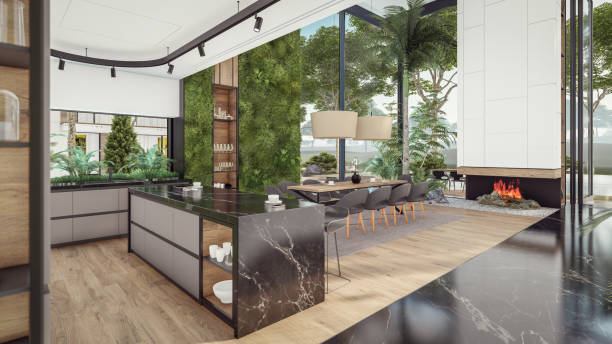
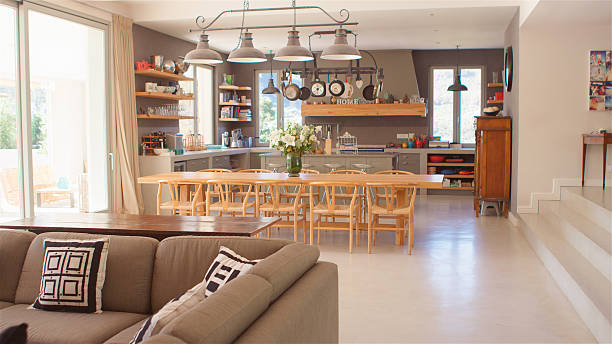
    Open Kitchen Design Inspiration, Open kitchens have become the heartbeat of modern homes. They blend cooking, dining, and living spaces into one inviting area where families gather, friends chat, and everyday life flows naturally. If you’re renovating or building, an open kitchen can make your home feel larger, brighter, and more connected.

    In this guide, you’ll find genuine inspiration drawn from real design principles that work in everyday homes. Whether you love minimalist lines, warm rustic touches, or bold contemporary statements, there’s something here to spark your next project.

    Table of Contents

    • What Makes an Open Kitchen Special?
    • Key Benefits of Open Kitchen Designs
    • Popular Open Kitchen Layout Ideas
    • Choosing Colors and Materials
    • Lighting That Makes a Difference
    • Smart Storage Solutions
    • The Power of a Kitchen Island
    • Style Inspirations for Every Taste
    • Practical Tips Before You Start
    • Conclusion
    • FAQs

    What Makes an Open Kitchen Special?

    Open Kitchen Design Inspiration

    An open kitchen removes walls between the cooking area and adjacent living spaces. Instead of being tucked away, the kitchen becomes part of the main living zone. This design encourages interaction—someone can cook while others relax nearby or sit at a counter chatting.

    The concept works especially well in apartments, townhouses, and family homes where space feels precious. It turns the kitchen from a purely functional room into a social centerpiece.

    Key Benefits of Open Kitchen Designs

    Open kitchens offer more than just looks. They improve natural light flow throughout the home, making spaces feel bigger even in smaller footprints. Conversation flows easily, which is wonderful for families with children or when entertaining.

    They also support modern lifestyles where cooking is no longer hidden behind closed doors. Parents can supervise kids while preparing meals, and guests feel welcome instead of isolated.

    On a practical level, open designs can increase property value in many markets because buyers today crave that sense of openness and connection.

    Popular Open Kitchen Layout Ideas

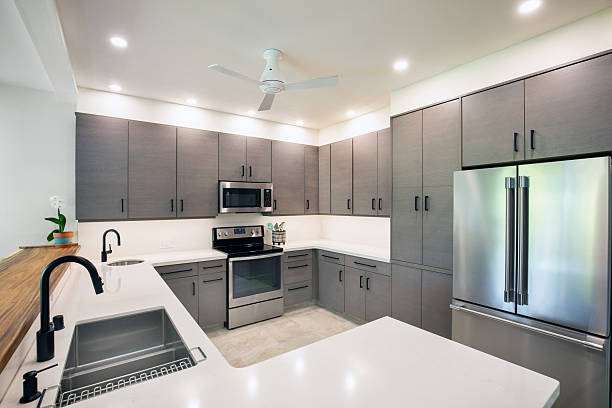
    L-shaped layouts remain one of the most popular choices. They provide plenty of counter space while keeping the cooking zone defined yet connected to the living area.

    Galley-style open kitchens work beautifully in narrower homes. You can open one side to the living room, creating a sense of width without losing efficiency.

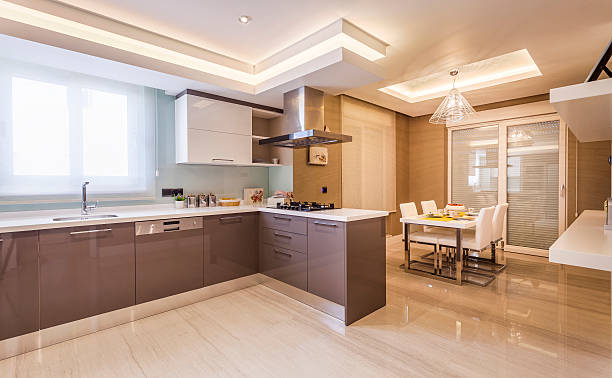
    For larger homes, a U-shaped kitchen opening into a dining or living zone offers maximum storage and workspace while maintaining visual flow. Many homeowners add a peninsula or island to gently separate zones without closing them off.

    Choosing Colors and Materials

    Light, neutral palettes tend to work best in open kitchens because they reflect light and make the entire space feel airy. Think soft whites, warm beiges, light grays, and natural wood tones.

    Materials matter too. Quartz or marble-look countertops offer durability and elegance. Mixed materials—such as wood cabinets paired with sleek metal handles or stone surfaces—add depth and interest without overwhelming the space.

    In my experience helping friends with renovations, adding texture through subway tiles, open shelving, or woven bar stools prevents the design from feeling flat or cold.

    Lighting That Makes a Difference

    Good lighting transforms an open kitchen from functional to stunning. Layer your lighting: ambient ceiling lights, task lighting under cabinets, and accent lighting over an island or dining table.

    Pendant lights above a kitchen island create a focal point while providing focused illumination for food prep or casual meals. Dimmable options let you adjust the mood from bright daytime cooking to softer evening entertaining.

    Don’t forget natural light. Large windows or sliding glass doors connecting to outdoor spaces can make your open kitchen feel like an extension of the garden or patio.

    Smart Storage Solutions

    Open kitchens require thoughtful storage because clutter is more visible. Upper cabinets with glass doors display beautiful dishware while keeping things organized. Open shelving works well for frequently used items but needs regular styling.

    Consider deep drawers instead of traditional cabinets for pots and pans—they’re much easier to access. Pull-out pantry systems maximize narrow spaces and keep dry goods organized and hidden when not in use.

    The Power of a Kitchen Island

    A well-designed kitchen island often becomes the star of an open kitchen. It provides extra prep space, casual seating, and storage all in one.

    Popular options include islands with waterfall edges, integrated sinks, or breakfast bars. Some homeowners add power outlets for small appliances or charging stations, making the island truly multifunctional.

    One practical example: a family I know used their island as both a homework station for kids and a serving buffet during gatherings—proving its versatility.

    Style Inspirations for Every Taste

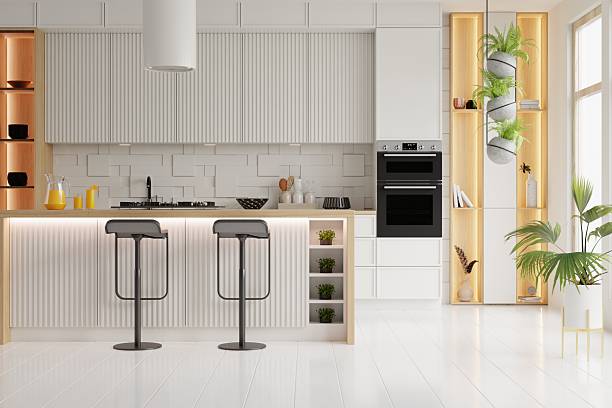
    Modern Minimalist: Clean lines, handleless cabinets, integrated appliances, and a monochrome palette with strategic pops of greenery.

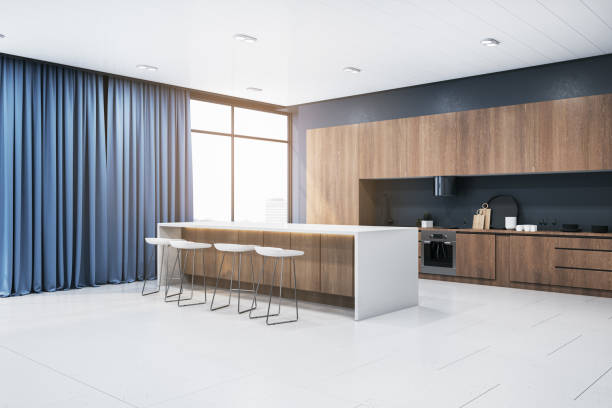
    Warm Contemporary: Mix light wood tones with matte black fixtures and comfortable upholstered bar stools for an inviting feel.

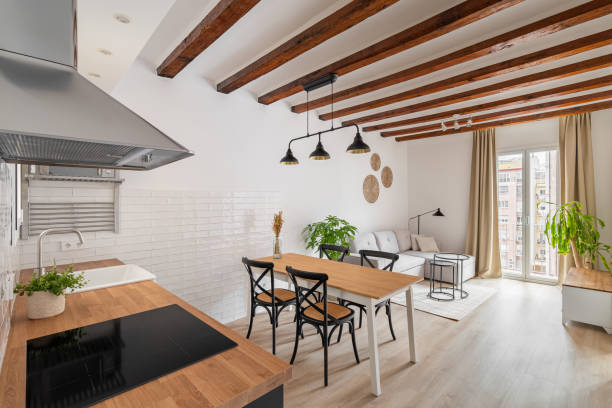
    Rustic Modern: Exposed brick or wood beams paired with sleek countertops and industrial lighting creates beautiful contrast.

    Scandinavian: Lots of white, natural wood, and cozy textiles. Simple shapes and plenty of plants bring life to the space.

    Industrial Chic: Concrete-look surfaces, metal accents, and vintage lighting for bold character.

    Practical Tips Before You Start

    Think about ventilation first—open kitchens need powerful range hoods that operate quietly to handle cooking smells effectively. Consider traffic flow so people aren’t constantly bumping into each other during meal prep.

    Budget for quality appliances since they’ll be on display. Also, plan your flooring carefully—durable options like porcelain tile or luxury vinyl work well in high-traffic kitchen zones while matching living area flooring for seamless flow.

    Consult with a professional designer or experienced contractor early, especially for structural changes like removing walls. They can help ensure your beautiful vision is also safe and practical.

    Conclusion

    An open kitchen brings warmth, connection, and functionality into the center of your home. By focusing on good flow, thoughtful storage, layered lighting, and personal style, you can create a space that works beautifully for your daily life while looking stunning.

    The best open kitchens reflect the people who live there. Take time to consider how your family actually uses the space, then layer in inspiration that feels right for you. The result will be a home that feels truly alive and welcoming.

    FAQs

    What is the best layout for a small open kitchen? L-shaped or galley layouts work particularly well in smaller homes. Adding a compact island or peninsula can provide extra function without crowding the space.

    Are open kitchens hard to keep clean? They require slightly more regular maintenance since everything is visible, but good organization systems and quick daily tidying make them very manageable.

    How do I separate zones in an open kitchen? Use area rugs, different lighting, strategic furniture placement, or changes in ceiling height to define cooking, dining, and living areas without walls.

    What flooring works best in open kitchens? Durable, easy-to-clean materials like porcelain tile, luxury vinyl plank, or sealed hardwood that coordinates with your living area flooring.

    Can I do an open kitchen in a rental? Yes! Focus on non-structural changes like paint, temporary islands, stylish open shelving, and movable furniture to create an open feel without permanent alterations.

  • Kitchen Counter Styling Trends 2026

    Kitchen Counter Styling Trends 2026

    Introduction

    Your kitchen counter says a lot about your home. It’s the first thing people notice when they walk into the kitchen. Whether you love minimalist looks or bold, colorful setups, there’s always room to refresh your space. The good news? You don’t need a full remodel to stay stylish. The kitchen counter styling trends 2026 bring exciting new ideas that work for almost every budget and home size. From natural textures to smart storage solutions, this year is all about making your counter both beautiful and practical.

    What’s Driving the New Look in Kitchen Design?

    What's Driving the New Look in Kitchen Design?

    Kitchens have always been the heart of the home. But lately, people want their kitchens to feel like a real living space — not just a cooking zone. This shift is pushing designers to think beyond just cabinets and appliances.

    A few key factors are shaping what we see on counters in 2026:

    • Sustainability is a big one. More homeowners want eco-friendly materials that look good and last long.
    • Minimalism is still strong, but it’s warmer now. Think fewer items, but more intentional choices.
    • Personalization is growing. People want their counters to reflect who they are — not just copy a catalog look.

    These shifts are not just trends. They’re a reflection of how we live today.

    Kitchen Counter Styling Trends 2026: A Full Overview

    Here’s a breakdown of the most popular styles and what sets each one apart. Whether you’re redecorating or just refreshing, this table gives you a quick reference.

    FeatureOption / TypeDescription
    Surface MaterialSintered StoneUltra-durable, heat-resistant, looks like natural stone
    Color PaletteWarm Neutrals (Beige, Taupe)Cozy and timeless, works with most cabinet styles
    Decorative AccentsLive Edge Wood BoardsAdds warmth and an organic, natural feel
    Organization StyleMinimal Countertop ClutterOnly essentials on display, everything else stored away
    Lighting ElementUnder-Cabinet LED StripsAdds ambiance and improves task lighting

    This table shows how a few smart choices can completely change your counter’s vibe. You don’t need to pick all five. Even one or two changes can make a real difference.

    Simple Tips to Style Your Kitchen Counter Right Now

    Simple Tips to Style Your Kitchen Counter Right Now

    Styling your counter doesn’t have to be complicated. Start with what you already have.

    Clear the clutter first. Remove everything from your counter and only put back what you actually use daily. This one step alone makes a huge visual difference.

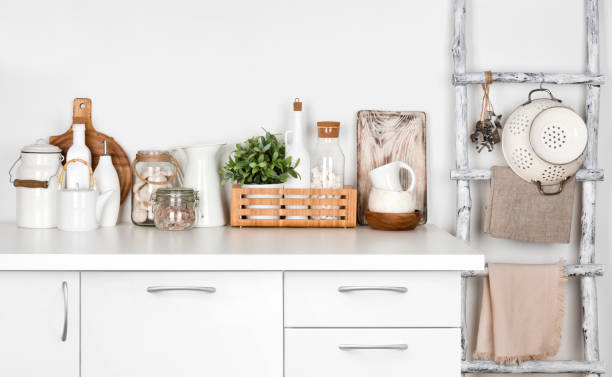
    Use the rule of three. Group items in odd numbers — three jars, one plant, and a cutting board, for example. This creates a natural, balanced look without feeling staged.

    Add texture. Mix materials like wood, ceramic, and metal. A wooden spoon holder next to a marble tray adds depth and visual interest without spending much.

    Bring in greenery. A small herb plant or a trailing pothos adds life to any counter. It’s inexpensive and refreshing.

    Keep it functional. Style is great, but your counter still needs to work. Make sure you have enough open space for actual cooking.

    Why Following These Trends Actually Benefits You

    Keeping up with design trends isn’t just about looks. There are real, practical benefits.

    Better organization comes naturally when you adopt a cleaner, more intentional styling approach. When you’re selective about what stays on your counter, it’s easier to keep clean.

    Increased home value is another bonus. A well-styled kitchen photographs better and attracts more attention if you’re ever thinking of selling.

    Daily mood boost — yes, this is real. A tidy, beautiful counter genuinely makes mornings feel better. It reduces visual noise, which can lower stress.

    Common Mistakes People Make When Styling Counters

    Even with good intentions, some mistakes are easy to fall into.

    Overcrowding the space is the most common one. Too many decorative items make the counter feel messy, not styled. Less is usually more.

    Ignoring scale is another issue. Placing a tiny vase next to a large appliance looks off. Match the size of your decor to the space around it.

    Choosing decor over function can backfire quickly. If your pretty setup makes it hard to cook or clean, it’s not serving you well.

    Skipping lighting is a missed opportunity. Good lighting transforms a counter from flat to fabulous. Even one small change makes a big impact.

    Expert Tips From Interior Designers

    Interior designers who specialize in kitchens share a few consistent pieces of advice.

    Stick to a two or three-color palette. Too many colors create chaos. Choose one main color, one accent, and one neutral. That’s it.

    Invest in a few quality pieces rather than filling the space with cheap knick-knacks. One beautiful olive oil dispenser beats five random items every time.

    Layer your heights. Use tall items, medium items, and flat items together. This creates visual movement and makes the counter look intentional.

    Revisit your setup seasonally. Swapping out one or two pieces per season keeps things feeling fresh without a full redesign.

    Frequently Asked Questions

    Q1: What is the most popular counter material in 2026?
    Sintered stone is gaining a lot of popularity because it’s durable, heat-resistant, and looks very similar to natural stone at a lower cost.

    Q2: How do I make a small kitchen counter look bigger?
    Keep items minimal, use light colors, and avoid bulky appliances on the surface. A clear counter always looks more spacious.

    Q3: Can I follow trends on a tight budget?
    Absolutely. Small swaps like a new tray, a plant, or a set of matching jars can update your counter without spending much at all.

    Conclusion

    Refreshing your kitchen doesn’t have to be expensive or overwhelming. The kitchen counter styling trends 2026 show us that small, thoughtful changes can have a big impact. Focus on clean surfaces, warm textures, and a few well-chosen accessories. Whether you’re going for a cozy farmhouse feel or a sleek modern look, the key is making it work for your lifestyle. Use these ideas as a starting point, not a rulebook. Your kitchen should feel like yours — functional, beautiful, and a place you actually enjoy spending time in.

  • Modern Kitchen Decor Ideas for Small Spaces

    Modern Kitchen Decor Ideas for Small Spaces

    Introduction

    Having a small kitchen doesn’t mean you have to sacrifice style or function. With the right approach, even the tiniest kitchen can feel open, organized, and beautiful. Many homeowners are now turning to modern kitchen decor ideas for small spaces to make the most of every inch. Whether you’re renting an apartment or living in a cozy home, smart design choices can completely transform how your kitchen looks and feels. This guide will walk you through easy, budget-friendly ideas that actually work.

    Why Small Kitchen Design Matters More Than You Think

    Why Small Kitchen Design Matters More Than You Think

    Small kitchens can easily feel cluttered and cramped. But with thoughtful planning, they can become one of the most efficient spaces in your home.

    The key is to focus on both looks and usability. A kitchen that looks great but lacks storage will frustrate you daily. On the other hand, a kitchen full of cabinets but no personality feels cold and uninspiring.

    Good design balances both. When you get it right, your small kitchen becomes a place you actually enjoy spending time in. It’s not about having more space — it’s about using what you have wisely.

    Overview of Popular Small Kitchen Design Styles

    There are several design styles that work especially well in compact kitchens. Knowing your options helps you make better choices before you start buying furniture or paint.

    Here’s a quick comparison of some popular styles to help you decide which direction suits you best:

    FeatureOption / TypeDescription
    Cabinet StyleOpen ShelvingRemoves visual bulk and makes the room feel larger
    Color SchemeLight and Neutral TonesWhite, beige, or soft gray reflect light and open up the space
    Countertop MaterialQuartz or LaminateDurable, easy to clean, and available in sleek modern finishes
    Storage SolutionPull-out DrawersMaximizes cabinet space and keeps items within easy reach
    Lighting TypeUnder-Cabinet LED LightsAdds brightness without taking up counter or ceiling space

    Each of these options plays a specific role in making your kitchen feel bigger and more modern. You don’t need to use all of them — even one or two changes can make a noticeable difference.

    Practical Tips to Upgrade Your Small Kitchen

    Practical Tips to Upgrade Your Small Kitchen

    Start with decluttering. You can’t decorate a messy space effectively. Go through your cabinets and get rid of anything you haven’t used in the past year.

    Use vertical space. Install shelves up to the ceiling to store items you don’t use every day. This frees up lower cabinet space for everyday essentials.

    Choose multi-functional furniture. A kitchen island on wheels, for example, can serve as extra counter space, storage, and even a dining spot.

    Stick to a two or three-color palette. Too many colors in a small space can feel chaotic. Keep it simple with two main colors and one accent.

    Also, mirrors and glass cabinet doors can create an illusion of depth. These small tricks go a long way in making your kitchen feel less closed in.

    Benefits of a Well-Designed Small Kitchen

    A thoughtfully designed small kitchen offers some real advantages. First, it’s easier to clean. Fewer surfaces mean less time wiping down counters and scrubbing floors.

    Second, everything is within reach. You don’t have to walk across a large room to grab something from the pantry. This actually makes cooking faster and more enjoyable.

    Third, a stylish small kitchen can add value to your home. Buyers often appreciate efficient, well-organized kitchens — even small ones — more than oversized, poorly designed ones.

    Finally, designing a small space often costs less. You’re working with fewer materials, which means your renovation budget goes further.

    Common Mistakes People Make in Small Kitchens

    Common Mistakes People Make in Small Kitchens

    One of the biggest mistakes is choosing dark colors for walls and cabinets. Dark shades absorb light and make the room feel even smaller.

    Another mistake is overcrowding the countertops. Appliances like toasters, coffee makers, and blenders can eat up valuable space. Keep only what you use daily on the counter and store the rest.

    Skipping proper lighting is also a common error. Poor lighting makes a small kitchen look dull and uncomfortable. Make sure you have enough overhead light and task lighting near the stove and sink.

    Finally, choosing furniture that’s too large for the space is a frequent problem. Always measure before you buy. Oversized stools or a bulky dining table can block movement and make the kitchen feel suffocating.

    Expert Tips from Interior Designers

    Interior designers often say: “Edit ruthlessly.” In a small kitchen, less is truly more. Every item on display should serve a purpose or bring you joy.

    Use matching containers for pantry items. When your jars, canisters, and boxes all look similar, the space feels more organized and visually calm.

    Consider a fold-down wall table instead of a traditional dining set. It gives you eating space when you need it and folds away when you don’t.

    Add a small herb garden on the windowsill. It’s functional, fresh, and adds a natural, warm touch to your modern kitchen without taking up counter space.

    Frequently Asked Questions

    Q1: What colors work best in a small kitchen?
    Light colors like white, soft gray, and pale beige work best. They reflect light and make the space feel more open and airy.

    Q2: How can I add storage to a small kitchen without a renovation?
    Use over-door organizers, magnetic knife strips, tension rod dividers inside drawers, and stackable shelf inserts inside cabinets.

    Q3: Is open shelving a good idea in a small kitchen?
    Yes, open shelving removes visual heaviness from the room. Just make sure to keep it tidy, since everything will be on display.

    Conclusion

    Transforming a small kitchen into a stylish, functional space is completely doable. It just takes a little creativity and smart planning. The best modern kitchen decor ideas for small spaces focus on maximizing storage, using light colors, and keeping things simple. You don’t need a big budget or a major renovation to make a real difference. Start small — maybe just declutter or add better lighting — and build from there. Over time, your kitchen will become a space that works beautifully for you every single day.