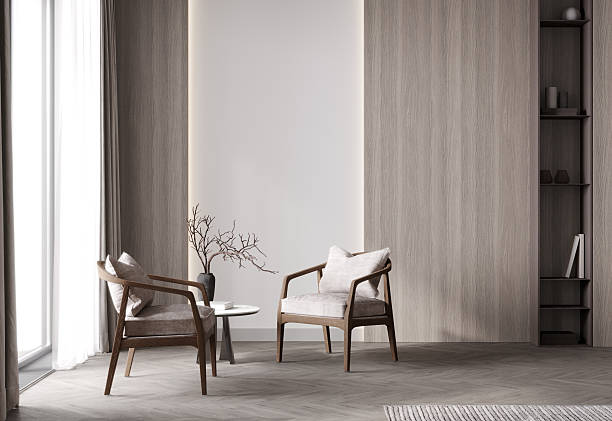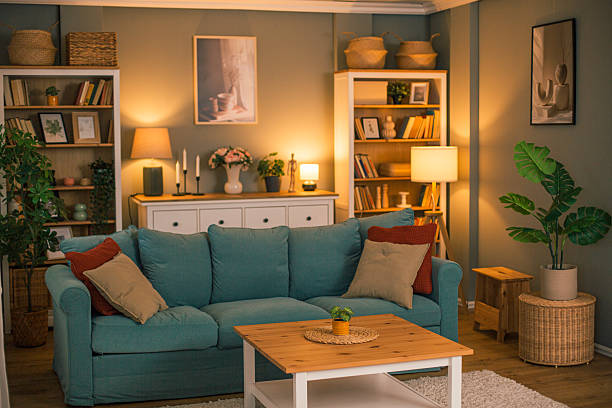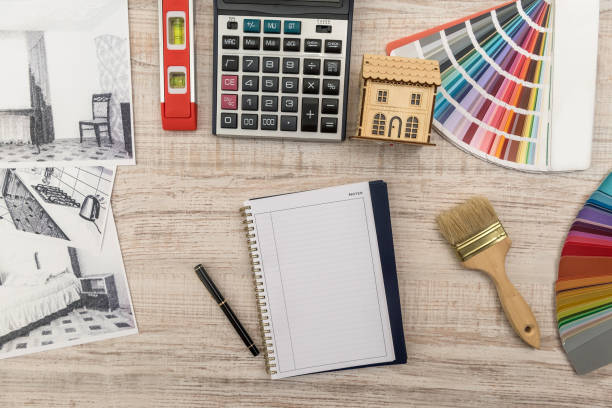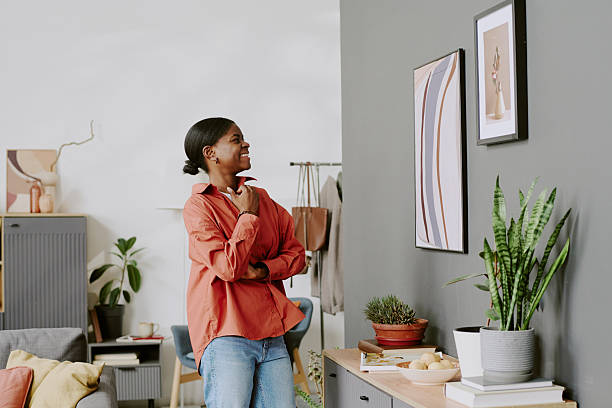
Category: Living Room

  • Apartment Living Room Makeover Ideas

    Apartment Living Room Makeover Ideas

    Introduction

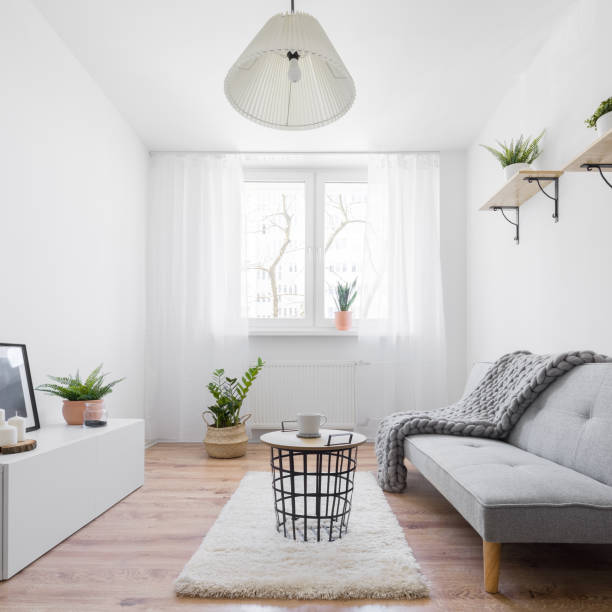
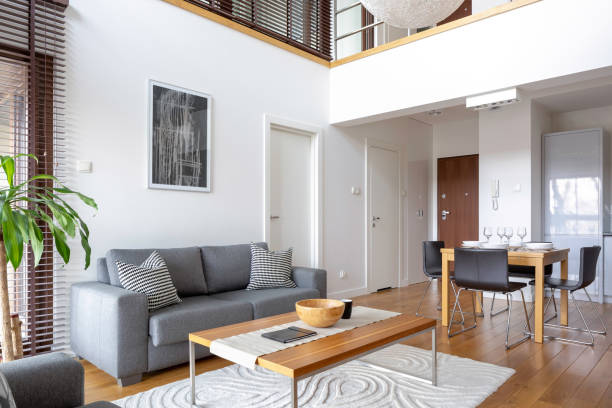
    Renting an apartment doesn’t mean you have to live with a boring, plain living room. With a little creativity and some smart choices, you can turn even the smallest space into something that feels warm and personal. Whether you’re working with a tight budget or just don’t want to do anything permanent, there are plenty of ways to refresh your space. These apartment living room makeover ideas will help you get started — no major renovations required, and no landlord approval needed for most of them.

    Start With What You Already Have

    Before you spend any money, take a good look at your current setup. Sometimes, just rearranging your furniture can make the whole room feel bigger and more open. Move your sofa away from the wall. Try placing your coffee table at a different angle. You’d be surprised how much a simple shift in layout can change the vibe of a room.

    Decluttering is another easy win. Remove anything that doesn’t belong in the living room. Clear surfaces make a space feel cleaner and more intentional. If you haven’t used something in months, it’s probably not adding anything to your space.

    Popular Makeover Styles to Consider
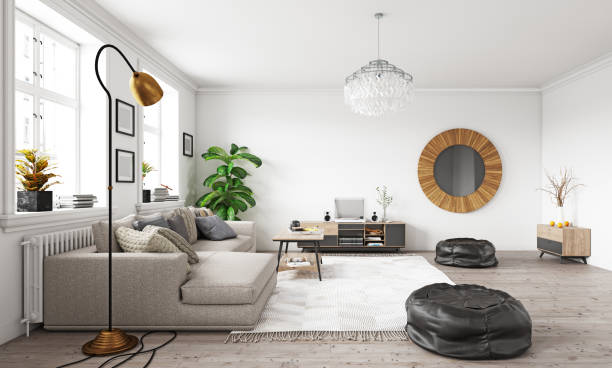
    There are many directions you can take when redesigning your living room. Some people prefer a minimalist look with clean lines and neutral tones. Others love a cozy, layered style with warm colors and lots of texture. Knowing your style ahead of time saves you money and keeps your decisions focused.

    Here’s a quick comparison of popular living room styles that work great in apartments:

    FeatureOption / TypeDescription
    Color PaletteNeutral & EarthyWhites, beiges, and soft browns make a room feel calm and spacious
    Furniture StyleMinimalistSimple, low-profile pieces that don’t crowd a small space
    Decor ApproachBohemianLayered textures, plants, and warm tones for a cozy, relaxed feel
    Lighting TypeWarm Ambient LightingFloor lamps and soft bulbs create a welcoming, comfortable atmosphere
    Storage SolutionMulti-Functional FurnitureOttomans with storage, sofa beds, and nesting tables save space

    Choosing a style before you shop helps you stay on track. It’s easy to buy things that look great alone but don’t work together in a room.

    Practical Tips for a Quick Refresh

    You don’t need a big budget to make your living room look better. Here are some simple, practical steps:

    Add a rug. A good area rug can anchor your furniture and define the space. Even a small rug under the coffee table makes a noticeable difference. Choose one that’s large enough — too small and it looks out of place.

    Use throw pillows and blankets. These are cheap, easy to swap out, and instantly add color and texture. Mix different patterns and sizes for a more styled look.

    Hang curtains high. Mounting your curtains close to the ceiling and letting them fall to the floor makes your windows look taller and the room feel bigger. Use light, sheer fabrics if you want to keep things bright.

    Bring in some greenery. A few houseplants go a long way. They add life, color, and even improve air quality. If you’re not great with plants, try low-maintenance options like pothos or snake plants.

    Benefits of Refreshing Your Living Space
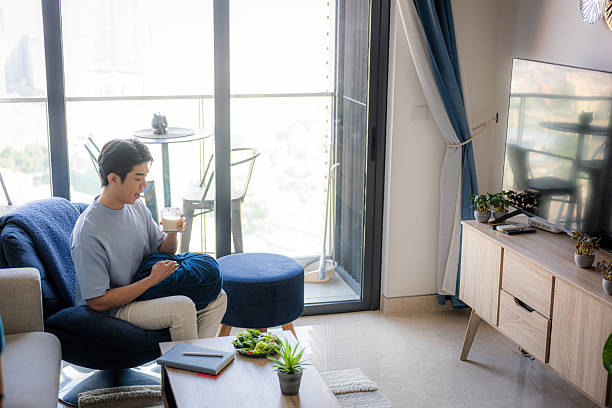
    Updating your living room isn’t just about looks. A well-designed space can actually improve how you feel at home. When your environment is organized and visually pleasing, it’s easier to relax and unwind after a long day.

    It can also make your apartment feel more like your space — not just a temporary place you’re passing through. That sense of ownership and comfort matters, especially if you’re renting long-term.

    Common Mistakes to Avoid

    One of the biggest mistakes people make is buying furniture that’s too large. A massive sofa in a small apartment will eat up all your space and make the room feel cramped. Always measure before you buy.

    Another mistake is ignoring lighting. Relying only on overhead lights makes a room feel flat and harsh. Add a floor lamp or a table lamp to create layers of light throughout the room.

    Don’t over-decorate either. Filling every shelf and surface with decor items creates visual clutter. Choose a few pieces you love and give them room to breathe.

    Expert Tips Worth Knowing

    Interior designers often suggest using mirrors to open up small spaces. A large mirror on one wall reflects light and makes the room feel twice as big. It’s one of the most affordable tricks that delivers a big visual impact.

    Another pro tip is to stick to a color palette of two or three colors. This keeps the room looking cohesive rather than chaotic. You can add one or two accent colors through pillows, art, or a throw blanket.

    If you’re renting and can’t paint, try removable wallpaper or peel-and-stick wall panels. They’re renter-friendly and come in dozens of styles.

    Frequently Asked Questions

    Q: Can I do a living room makeover without spending a lot of money?
    Yes! Rearranging furniture, adding pillows, rugs, and plants can make a big difference without a large budget.

    Q: What furniture works best in a small apartment living room?
    Look for multi-functional pieces like storage ottomans, small-scale sofas, and nesting tables that save space.

    Q: How do I make my apartment living room look bigger?
    Use light colors, hang curtains high, add mirrors, and avoid bulky furniture to create the illusion of more space.

    Conclusion

    Transforming your living room doesn’t have to be expensive or overwhelming. With a clear style in mind and a few smart choices, you can create a space that feels comfortable and truly yours. These apartment living room makeover ideas are designed to work in real-world spaces — small budgets, renter restrictions, and all. Start with one small change today, and build from there. You’ll be amazed at how much better your space can feel with just a little effort and intention.
  • Luxury Sofa Styling Ideas for Modern Homes

    Luxury Sofa Styling Ideas for Modern Homes

    Introduction

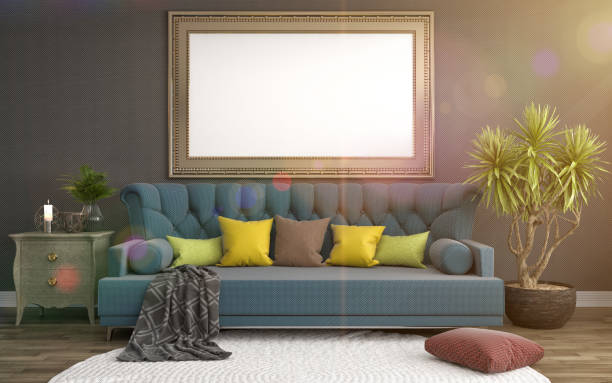
    Your sofa is usually the first thing people notice when they walk into your living room. It sets the mood, defines the space, and says a lot about your personal style. Whether you’re redecorating or just refreshing things a bit, knowing the right luxury sofa styling ideas for modern homes can make a huge difference. You don’t need a massive budget or a professional interior designer. With the right approach, even simple choices — like the right cushion color or the perfect rug — can completely transform how your sofa looks and feels.

    Choosing the Right Sofa Style for Your Space

    Before you start decorating around a sofa, you need to make sure the sofa itself is the right fit. Size, shape, and material all matter more than most people realize.

    A large sectional sofa works well in open-plan living rooms. A sleek two-seater or a mid-century modern style suits smaller spaces or minimalist rooms. Think about how you actually use your living room. Do you host guests often? Do you have kids or pets? These answers should guide your choice.

    For a modern home, clean lines and neutral tones tend to work best. Velvet sofas in deep green or dusty pink can add a bold touch without feeling overwhelming. Leather sofas bring a timeless, polished look that suits both classic and contemporary interiors.

    Don’t forget the legs. Metal or tapered wooden legs instantly give a sofa a more refined, high-end appearance.

    Popular Luxury Sofa Styles — A Quick Overview

    There are several sofa styles that work beautifully in modern homes. Each one has its own personality and pairs better with certain interiors. Here’s a simple breakdown to help you compare your options:

    FeatureOption / TypeDescription
    MaterialVelvetSoft, rich texture; ideal for adding warmth and elegance
    StyleMid-Century ModernClean lines and tapered legs; perfect for minimalist spaces
    ConfigurationL-Shaped SectionalGreat for open-plan rooms; offers extra seating and comfort
    ColorNeutral Tones (Beige, Grey)Versatile and easy to style with different accessories
    Leg DesignMetal or Tapered WoodAdds a refined, contemporary feel to any sofa frame

    This table gives you a starting point. Once you know your sofa type, styling it becomes much easier and more fun.

    Practical Tips to Style Your Sofa Like a Pro

    Styling a sofa isn’t just about throwing a few cushions on it and calling it done. There’s a bit of thought that goes into making it look intentional and put together.

    Start with an odd number of cushions. Three or five pillows look more natural than two or four. Mix different sizes — a large cushion at the back, a medium one in front, and a small accent pillow on the side.

    Layer textures. Combine a linen cushion with a velvet one, or a knitted throw blanket with a smooth pillow. This layering creates depth and makes the space feel more inviting.

    Add a throw blanket. Drape it casually over one arm of the sofa. It looks relaxed but stylish. Choose a color that complements your cushions without matching them exactly.

    Use a coffee table that balances the sofa. If your sofa is large and plush, go for a sleek, low coffee table. If your sofa is slim and modern, a round wooden table adds softness.

    Benefits of Investing in a Well-Styled Sofa

    A well-styled sofa does more than look good. It actually improves how you feel in your own home. Here’s why it’s worth the effort.

    First, it creates a visual anchor in the room. Every well-designed living room needs one focal point, and a beautifully styled sofa naturally becomes that center of attention.

    Second, it makes the whole room feel more complete. You’d be surprised how much a thoughtfully styled sofa can pull together mismatched furniture or an awkward room layout.

    Third, it boosts comfort. Good styling isn’t just about aesthetics. The right cushions and throws actually make your sofa more comfortable to sit on and relax in.

    Common Mistakes People Make When Styling Sofas

    Even with good intentions, a few common mistakes can make a sofa look off. Here’s what to watch out for.

    Too many cushions. More is not always better. Piling on 10 cushions doesn’t look luxurious — it looks cluttered. Keep it clean and simple.

    Ignoring scale. A tiny sofa with huge cushions looks awkward. Always match the cushion size to the sofa size.

    Forgetting the rug. A rug under or in front of the sofa grounds the whole seating area. Without it, even a beautiful sofa can look like it’s floating in the room.

    Choosing only matching sets. Perfectly matched cushion sets can feel stiff and staged. Mix patterns and textures for a more natural, lived-in look.

    Expert Tips for a High-End Look on Any Budget

    You don’t need to spend a fortune to make your sofa look expensive. A few smart choices go a long way.

    Invest in one high-quality throw blanket rather than buying several cheap ones. A cashmere or wool throw instantly elevates the look. Choose cushion covers made from natural fabrics like linen, cotton, or velvet — they photograph beautifully and feel great too.

    Add a statement piece nearby. A sculptural floor lamp or a small side table with a plant can frame the sofa and make the whole setup look intentional.

    Stick to a color palette of two to three tones. Too many colors make a space feel busy. A consistent palette keeps things looking polished and refined.

    Frequently Asked Questions

    Q1: What color sofa works best in a modern home?
    Neutral tones like grey, beige, and off-white are the most versatile. They pair easily with different wall colors and accessories.

    Q2: How many cushions should I put on a sofa?
    Three to five cushions usually look best. Use an odd number and vary the sizes for a natural, balanced look.

    Q3: Can I style a small sofa to look luxurious?
    Absolutely. Choose rich fabrics, add a quality throw, and place the sofa on a stylish rug. These small details make a big difference.

    Conclusion

    Styling your sofa doesn’t have to be complicated or expensive. With the right choices — from fabric and color to cushions and rugs — you can create a space that feels genuinely luxurious and personal. These luxury sofa styling ideas for modern homes are practical, achievable, and adaptable to any budget or space. Start small if you need to. Even one new throw or a fresh set of cushion covers can shift the energy of a room. Your sofa is the heart of your living room. Give it the attention it deserves, and the whole space will thank you for it.

  • Neutral Living Room Aesthetic Inspiration

    Neutral Living Room Aesthetic Inspiration

    Introduction

    There’s something really peaceful about a room that feels quiet and balanced. No loud colors, no clutter — just clean lines and soft tones working together. That’s exactly what makes neutral living room aesthetic inspiration so popular right now. People want homes that feel like a retreat. A place where you can breathe, relax, and just be. Whether you’re redesigning from scratch or just refreshing your current space, going neutral is one of the smartest moves you can make. This guide will walk you through everything you need to know to pull it off beautifully.

    What Does a Neutral Living Room Actually Look Like?

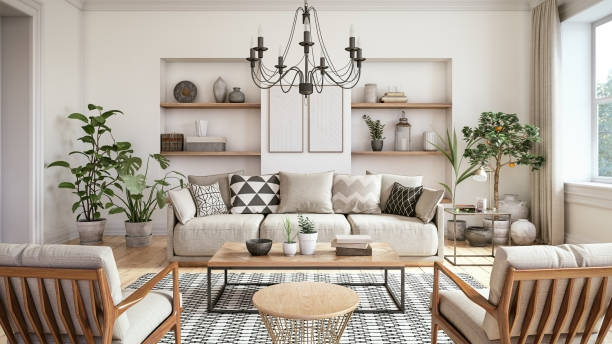
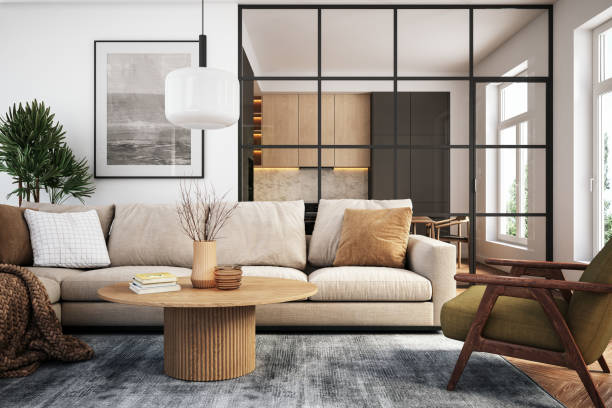
    A lot of people think “neutral” means boring. That’s a common misconception. Neutral living rooms are actually full of texture, depth, and warmth. Think soft whites, warm beiges, creamy taupes, and gentle grays. These colors don’t fight for attention — they work together to create a calm, cohesive look.

    The magic lies in layering. A neutral sofa paired with a linen throw, a jute rug, and wooden accents can look absolutely stunning. You don’t need bold colors to make a statement. Sometimes, the absence of too much color is the statement.

    Natural light plays a big role here too. Neutral tones reflect light beautifully, which makes even smaller rooms feel open and airy. If your living room gets good sunlight, a neutral palette will make the most of it.

    Popular Neutral Color Palettes and Styles Compared

    Not all neutrals are the same. Some feel warm and cozy, while others lean cooler and more modern. Knowing the difference helps you pick the right direction for your space.

    Here’s a quick comparison to help you choose:

    FeatureOption / TypeDescription
    Color TemperatureWarm NeutralsBeige, cream, terracotta — feels cozy and inviting
    Color TemperatureCool NeutralsSoft gray, white, greige — feels modern and crisp
    Style DirectionScandinavianMinimalist, light woods, white walls, simple furniture
    Style DirectionOrganic/NaturalEarthy tones, raw textures, rattan, linen fabrics
    Style DirectionClassic NeutralTimeless whites, symmetry, elegant but understated design

    Each of these paths can lead to a beautiful living room. The key is picking one direction and staying consistent with it. Mixing too many styles can make the space feel scattered rather than serene.

    Practical Tips for Designing a Neutral Living Room

    Start with your biggest pieces first. Your sofa and flooring set the foundation. Choose a neutral base color for both, and then build around them with smaller decor items.

    Layer your textures. This is what keeps neutral spaces from looking flat. Think chunky knit pillows next to smooth linen cushions, or a rough woven rug on smooth hardwood floors. The contrast in texture adds visual interest without adding color.

    Add warmth with wood tones. A wooden coffee table, floating shelves, or a wooden lamp base can bring life to a neutral room without disrupting the calm palette.

    Use plants sparingly. A few green plants add a soft pop of color that feels natural and refreshing. Fiddle leaf figs, pothos, and snake plants all work really well in neutral settings.

    Don’t forget lighting. Warm-toned bulbs (around 2700K) make neutral rooms feel cozy and inviting. Harsh white lighting can make the same room feel cold and clinical.

    Benefits of Going Neutral in Your Living Room

    One of the biggest advantages of a neutral space is that it never really goes out of style. Trends come and go, but a well-designed neutral living room always looks current.

    It’s also incredibly easy to update. Want a seasonal refresh? Just swap out a few throw pillows or a rug. You don’t have to repaint the whole room. Neutral walls work with almost any accent color, giving you total flexibility.

    Neutral spaces also tend to feel less stressful. There’s real psychology behind this — calmer environments can actually help reduce anxiety and improve focus. If your home is your sanctuary, a neutral palette supports that goal perfectly.

    Common Mistakes to Avoid

    Going too matchy-matchy is a big one. If everything is the exact same shade of beige, the room can feel flat and lifeless. Variation within your neutral palette is essential.

    Another mistake is ignoring contrast. Without a few darker or deeper elements — like a dark wood piece or a charcoal accent — a room can feel washed out and undefined.

    People also sometimes forget about scale. Choosing furniture that’s too small for the room, or too large, throws off the whole balance. In a neutral space, proportions matter even more because there’s less visual distraction to hide behind.

    Expert Tips for Nailing the Look

    Interior designers often recommend starting a mood board before buying anything. Pin images you love and look for patterns — you’ll quickly see which neutrals you’re naturally drawn to.

    Shop secondhand when possible. Vintage furniture in natural materials often has the kind of character that new pieces can’t replicate. And they tend to fit beautifully in neutral, organic-style rooms.

    If you’re unsure about a color, paint a large swatch on the wall and live with it for a few days. Lighting changes throughout the day, and so does how a color looks. What seems perfect in the morning might feel different at dusk.

    FAQs About Neutral Living Room Design

    Q: Is white the only neutral color for living rooms?
    No, neutrals include beige, taupe, gray, cream, warm browns, and even soft greens or blues in muted tones.

    Q: How do I add personality to a neutral room?
    Use textures, plants, artwork, and meaningful decor pieces. Personality doesn’t require color — it comes from thoughtful details.

    Q: Can a neutral living room work in a small space?
    Absolutely. Light neutrals actually make small rooms feel bigger and more open.

    Conclusion

    Creating a space that feels calm, beautiful, and timeless doesn’t have to be complicated. With the right approach, neutral living room aesthetic inspiration can help you design a room that you truly love living in every day. Focus on texture, proportion, and layering. Choose tones that feel right for your lifestyle — warm if you want cozy, cool if you prefer modern. Keep it simple, keep it intentional, and don’t rush the process. The best neutral rooms are built slowly, with care and purpose. And in the end, that thoughtfulness always shows.

  • Small Living Room Space Saving Ideas

    Small Living Room Space Saving Ideas

    Introduction

    Living in a small home doesn’t mean you have to feel cramped. With the right setup, even the smallest living room can feel open, cozy, and welcoming. Many people struggle with limited floor space but don’t realize how much potential is hiding in their room. Whether you rent or own your home, there are simple changes you can make today. These small living room space saving ideas don’t require a huge budget or a professional decorator. You just need a little creativity and a willingness to rethink how you use every corner of your space.

    Why Smart Layout Matters More Than Room Size

    Most people think they need a bigger room to feel comfortable. But honestly, layout is everything.

    When furniture is placed without a plan, even a large room can feel cluttered. A small room with smart layout choices, on the other hand, can feel surprisingly open and functional.

    Start by mapping out your room before buying anything. Think about traffic flow — where do people walk? Where do they sit? Where does natural light come in? These questions help you make better decisions before moving a single piece of furniture.

    A good layout also reduces visual noise. When everything has a clear place, your eyes aren’t jumping all over the room. That alone makes a space feel calmer and bigger than it actually is.

    Furniture Options That Save the Most Space

    Choosing the right furniture is one of the most impactful small living room space saving ideas you can use. Not all furniture is built the same, and some pieces do double or even triple duty.

    Here’s a quick comparison of the most popular space-saving furniture types:

    FeatureOption / TypeDescription
    SeatingSofa with storageHas hidden compartments under the cushions for blankets or remotes
    Coffee TableLift-top coffee tableDoubles as a workspace or dining surface when needed
    ShelvingFloating wall shelvesFrees up floor space while keeping storage accessible
    Seating ExtraOttomans with storageServes as a footrest, extra seat, and hidden storage unit
    EntertainmentWall-mounted TV unitEliminates the need for a bulky TV stand, saving floor space

    These options are widely available at most furniture stores and don’t cost a fortune. Look for pieces that serve more than one purpose — that’s the golden rule for small spaces.

    Practical Tips to Open Up Your Living Room

    Once you have the right furniture, it’s time to style and organize the space. Here are some tried-and-true tips that make a real difference.

    Use light colors on walls. Lighter shades like white, cream, or soft gray reflect more light and make a room feel airy. Dark colors can feel cozy but tend to close in a small room.

    Hang curtains high. Mount your curtains close to the ceiling, not just above the window frame. This draws the eye upward and makes the ceiling look taller than it is.

    Use mirrors strategically. A large mirror on one wall can visually double your space. It reflects light and creates the illusion of depth.

    Keep the floor visible. Avoid large, bulky rugs that cover too much floor. A smaller, well-placed rug can define a seating area without overwhelming the room.

    Go vertical. Use tall bookshelves or wall-mounted storage to take advantage of wall height. This keeps clutter off the floor where it matters most.

    Benefits of Organizing a Small Living Room Properly

    There’s more to gain than just extra space. When you apply smart small living room space saving ideas, your daily life genuinely improves.

    You spend less time cleaning because there’s less clutter to deal with. Everything has a spot, so tidying up takes minutes instead of hours. That’s a real quality-of-life upgrade.

    A well-organized space also reduces stress. Studies have shown that cluttered environments increase anxiety. When your room feels calm and ordered, your mind feels the same way.

    And of course, a stylish, organized small room looks great. Whether you’re hosting friends or just relaxing after a long day, it’s a space you’ll actually enjoy being in.

    Common Mistakes People Make in Small Rooms

    Even with good intentions, it’s easy to make mistakes that shrink your space even further.

    Buying furniture that’s too big. A large sectional sofa might look amazing in the showroom, but in a small room it’ll dominate every inch of space. Always measure before you buy.

    Too many decorative items. Accessories are fun, but too many create visual clutter. Pick a few meaningful pieces and leave breathing room around them.

    Ignoring the corners. Corners are prime real estate in a small room. A corner shelf or a small accent chair placed just right can transform a dead zone into a useful area.

    Blocking natural light. Heavy curtains or furniture placed in front of windows cuts off your main source of free light and makes a room feel smaller instantly.

    Expert Tips From Interior Designers

    Professional designers who specialize in compact spaces share a few consistent pieces of advice worth knowing.

    Less is more. Designers always say this, and it really is true for small rooms. Removing items often does more than adding them.

    Choose legs over bases. Furniture with visible legs (like sofas and chairs on tapered legs) makes a room feel more open because you can see the floor beneath them.

    Multifunctional zones. Define different zones in your room — a reading nook, a TV area, a social space — even if they’re only a few feet apart. It makes the room feel purposeful and larger than its actual size.

    Stick to a consistent color palette. Using two or three colors throughout keeps things cohesive and visually uncluttered.

    Frequently Asked Questions

    Q: What is the best furniture for a very small living room?
    A: Multifunctional pieces work best — think storage ottomans, sofa beds, and wall-mounted shelves. Keep the scale small and avoid oversized items.

    Q: How can I make my small living room look bigger without renovating?
    A: Use light wall colors, hang mirrors, choose furniture with legs, and keep the space decluttered. These changes are affordable and surprisingly effective.

    Q: Do rugs help or hurt a small living room?
    A: A well-chosen rug can actually help define a space and make it feel intentional. Just make sure it’s the right size — too small or too large can throw off the whole room’s balance.

    Conclusion

    A small living room doesn’t have to feel like a limitation. With the right mindset and a few smart choices, you can turn even the tiniest space into a room you’re proud of. The key is to think functionally — every piece of furniture, every decoration, and every inch of wall should serve a purpose. These small living room space saving ideas are practical, budget-friendly, and easy to apply on your own. Start with one or two changes and build from there. You’ll be surprised how quickly your space transforms into something that feels both comfortable and surprisingly spacious.

  • Modern Living Room Trends 2026

    Modern Living Room Trends 2026

    Introduction

    Your living room says a lot about you. It’s where you relax, host guests, and spend quality time with family. So it makes sense to keep it feeling fresh and comfortable. The good news? You don’t need a full renovation to stay current. The Modern Living Room Trends 2026 are all about balance — mixing function with beauty, warmth with simplicity. Whether you’re starting from scratch or just updating a few things, there’s something here for every style and budget. Let’s dive into what’s actually worth your attention this year.

    What’s Shaping Home Design Right Now

    Design in 2026 has taken a meaningful turn. People are moving away from cold, ultra-minimal spaces. Instead, there’s a strong pull toward warmth, texture, and personal touches.

    Think curved furniture, layered rugs, and rooms that feel lived-in — not staged. Designers are calling it “soft maximalism.” It means having more personality in your space without making it feel cluttered or overwhelming.

    Natural materials are also everywhere. Wood, stone, linen, and clay are replacing plastic and synthetic finishes. The goal is to bring the outside in, creating a calm and grounding environment.

    Color is shifting too. We’re seeing warm beiges, terracotta, sage green, and deep rust tones replacing the cool grays that dominated the past decade. These colors feel cozy and inviting without trying too hard.

    A Quick Overview of Key Modern Living Room Trends 2026

    Here’s a simple comparison of the most popular design choices you’ll see this year:

    FeatureOption / TypeDescription
    Color PaletteWarm NeutralsBeige, cream, terracotta, and warm white for a cozy feel
    Furniture StyleCurved & RoundedSoft edges on sofas and chairs for a relaxed, welcoming look
    Flooring AccentLayered RugsTwo rugs stacked to add texture and define seating areas
    LightingWarm Ambient LightSoft bulbs, floor lamps, and pendant lights instead of harsh overhead lighting
    MaterialsNatural TexturesWood, linen, rattan, and stone used throughout the room

    This table gives you a snapshot of where interior design is heading. None of these choices are hard to achieve. Most can be done with small swaps or additions.

    Practical Tips to Update Your Living Room This Year

    You don’t need a big budget to refresh your space. Start with what you already have and build from there.

    Swap your throw pillows. This is one of the easiest changes you can make. Go for earthy tones or textured fabrics like boucle or linen. Instantly transforms the look of your sofa.

    Add a warm light source. Replace that single overhead bulb with a floor lamp or table lamp. Warm light makes any room feel more inviting, especially in the evenings.

    Bring in one natural element. A wooden side table, a woven basket, or a small indoor plant can shift the whole mood of a room. You don’t need to overdo it — one piece is enough to start.

    Declutter first, then decorate. A fresh, intentional look always starts with removing what you don’t need. Clear surfaces give your chosen pieces room to breathe.

    Benefits of Following Current Design Trends

    Updating your living room isn’t just about looks. There are real, everyday benefits to a well-designed space.

    A comfortable, organized room reduces stress. When your surroundings feel calm, you tend to feel calmer too. It’s simple psychology, but it really works.

    Resale value also goes up when your home looks current and well-maintained. Buyers notice when a living room feels dated. Small updates can make a big impression.

    Finally, a refreshed space can boost creativity and motivation. It’s amazing how much a little change in your environment can shift your mindset.

    Common Mistakes to Avoid When Redesigning

    Even with the best intentions, people make avoidable mistakes. Here are the big ones to watch out for.

    Buying furniture that’s too large. A huge sofa in a small room feels suffocating. Always measure your space before purchasing anything new.

    Following trends blindly. Not every trend suits every home or lifestyle. Pick what genuinely works for you, not just what looks good in a magazine.

    Ignoring lighting. This is probably the most underestimated element in any room. Poor lighting can make even the most beautiful furniture look flat and dull.

    Overcrowding with decor. More is not always better. A few well-chosen pieces always look better than shelves packed with random items.

    Expert Tips From Interior Designers

    Professionals keep repeating the same advice — and it’s worth listening to.

    “Start with one anchor piece,” says most designers. That could be a statement sofa, a bold rug, or an eye-catching light fixture. Build everything else around it.

    Don’t match everything perfectly. Mixing materials, tones, and textures makes a room feel more real and lived-in. Perfectly matched rooms can look like showrooms — not homes.

    Also, consider the flow of the room. Furniture should be arranged so people can move around easily. Comfort always comes before aesthetics.

    FAQs About Living Room Design in 2026

    Q: What colors are popular for living rooms in 2026?
    A: Warm tones like terracotta, sage green, warm beige, and deep rust are trending. They feel cozy and timeless.

    Q: Is minimalism still popular?
    A: Pure minimalism is fading. “Warm minimalism” or “soft maximalism” — rooms with personality but not clutter — is more popular now.

    Q: How can I update my living room on a tight budget?
    A: Start with cushions, lighting, and one natural element like a plant or woven basket. Small changes add up quickly.

    Conclusion

    Keeping up with Modern Living Room Trends 2026 doesn’t mean spending a fortune or redesigning everything at once. It’s about making thoughtful choices — picking colors that feel warm, adding textures that invite you to sit down and stay a while, and removing what no longer serves the space. Start small. Change one thing. See how it feels. Great design is really just about creating a room that makes you feel at home every single day. Your living room should work for your life — not the other way around.

  • Cozy Living Room Decor Ideas on Budget

    Cozy Living Room Decor Ideas on Budget

    Introduction

    Making your living room feel warm and welcoming doesn’t have to cost a lot. Many people think a beautiful home requires a big budget, but that’s simply not true. With a little creativity and some smart choices, you can completely change how your space looks and feels. Whether you’re renting or own your home, these cozy living room decor ideas on budget will help you create a space you actually love spending time in. Small changes often make the biggest difference. Let’s walk through some practical and realistic ways to refresh your living room without stressing your wallet.

    What Makes a Living Room Feel Truly Cozy?

    Coziness is more about feeling than money. It comes from how a room is layered — the textures, the lighting, the colors, and even the scents. A room can have expensive furniture and still feel cold and uninviting. On the other hand, a simple room with soft throws, warm lighting, and meaningful decor can feel like a true sanctuary.

    The key elements of a cozy living room are warmth, comfort, and personality. Think soft rugs underfoot, cushions that invite you to sit down, and lighting that feels gentle — not harsh. These things don’t cost much, but they change everything.

    Start by looking at your space with fresh eyes. Ask yourself what’s missing. Is the lighting too bright? Do the colors feel cold? Is there enough softness in the room? Once you identify the gaps, it becomes much easier to fix them.

    Affordable Decor Types: A Quick Comparison Overview

    Before you start shopping, it helps to know your options. Here’s a simple breakdown of popular decor types, their purpose, and how they fit different budgets.

    FeatureOption / TypeDescription
    LightingWarm LED fairy lights or floor lampsCreates a soft, inviting glow without harsh overhead light
    TextilesThrow blankets and pillow coversAdds texture and warmth; easy to swap with seasons
    Wall DecorDIY art prints or thrift store framesPersonalizes the room without expensive artwork
    RugsLayered rugs or budget area rugsDefines the seating space and adds visual warmth
    PlantsSmall indoor plants like pothos or succulentsBrings life and color; most are low-maintenance and cheap

    This table shows how small, intentional choices can build a cozy atmosphere without spending a lot in any single category.

    Practical Tips for Decorating on a Tight Budget

    One of the best things you can do is shop secondhand. Thrift stores, Facebook Marketplace, and garage sales are goldmines for unique furniture and decor pieces at very low prices. A simple coat of paint can make an old side table look brand new.

    Rearranging your current furniture is completely free and often makes a huge difference. Try pulling the sofa away from the wall and grouping furniture around a central point like a coffee table or rug. This creates a more intentional, cozy layout.

    Candles are another easy and affordable trick. They add warmth, light, and scent to a room. You don’t need dozens — just a few placed thoughtfully on shelves or a coffee table will do the job.

    Don’t overlook what you already own. Rotating items from other rooms, repurposing baskets as storage, or simply decluttering can completely transform a space without spending a single dollar.

    Benefits of Creating a Cozy Living Room Without Overspending

    When you decorate on a budget, you tend to be more creative and intentional. You think carefully about each piece and why it belongs in the room. This often leads to a more personal and meaningful space than one filled with expensive impulse purchases.

    A cozy living room also improves your mood and mental well-being. Having a comfortable, calming space at home reduces stress and helps you recharge after a long day. It becomes a place where family gathers, conversations happen, and memories are made.

    And the financial benefit is obvious — you keep more money in your pocket. When you focus on cozy living room decor ideas on budget, you realize that style and comfort are truly accessible to everyone.

    Common Mistakes People Make When Decorating on a Budget

    One of the biggest mistakes is buying cheap items in a rush. It’s tempting to grab the first affordable thing you find, but buying slowly and thoughtfully saves money in the long run.

    Another common error is ignoring scale. A tiny rug in a large room looks out of place. Always measure your space before buying furniture or rugs. A well-sized piece instantly makes a room feel more pulled together.

    Skipping lighting upgrades is also a missed opportunity. Overhead fluorescent lights can make even a beautiful room feel sterile. Swapping to warm-toned bulbs or adding a simple floor lamp is a low-cost fix with a huge impact.

    Expert Tips for Getting the Most Out of Your Decor Budget

    Interior designers often say: “Buy less, but buy better.” This means investing in a few quality pieces — like a good rug or a comfortable sofa throw — rather than filling the room with many cheap items that wear out quickly.

    Stick to a simple color palette of two or three tones. This creates visual harmony and makes the room feel intentional. Neutral bases like beige, white, or grey work well with warm accents like terracotta, mustard, or forest green.

    Layer your textures. Mix a chunky knit throw with smooth velvet cushions and a woven rug. This layering creates depth and warmth without needing much color or cost.

    Frequently Asked Questions

    Q1: How do I make my living room cozy on a very small budget?
    Start with what you already have. Rearrange furniture, add throw pillows, and switch to warm-toned light bulbs. These free or low-cost changes make an immediate difference.

    Q2: What colors make a living room feel cozier?
    Warm tones like terracotta, warm beige, mustard yellow, and soft olive green tend to make spaces feel snug and welcoming.

    Q3: Where can I find affordable decor for my living room?
    Thrift stores, IKEA, Amazon basics, dollar stores, and Facebook Marketplace are all great places to find budget-friendly decor without sacrificing style.

    Conclusion

    Creating a warm and inviting space doesn’t require a designer budget or expensive furniture. With the right approach, anyone can bring these cozy living room decor ideas on budget to life using simple, thoughtful choices. Focus on lighting, texture, and layout first — these three things alone can transform any room. Shop secondhand, use what you have, and add personal touches that reflect who you are. Your living room should feel like a place you want to return to at the end of every day. With a little patience and creativity, that’s completely achievable — no matter what your budget looks like.